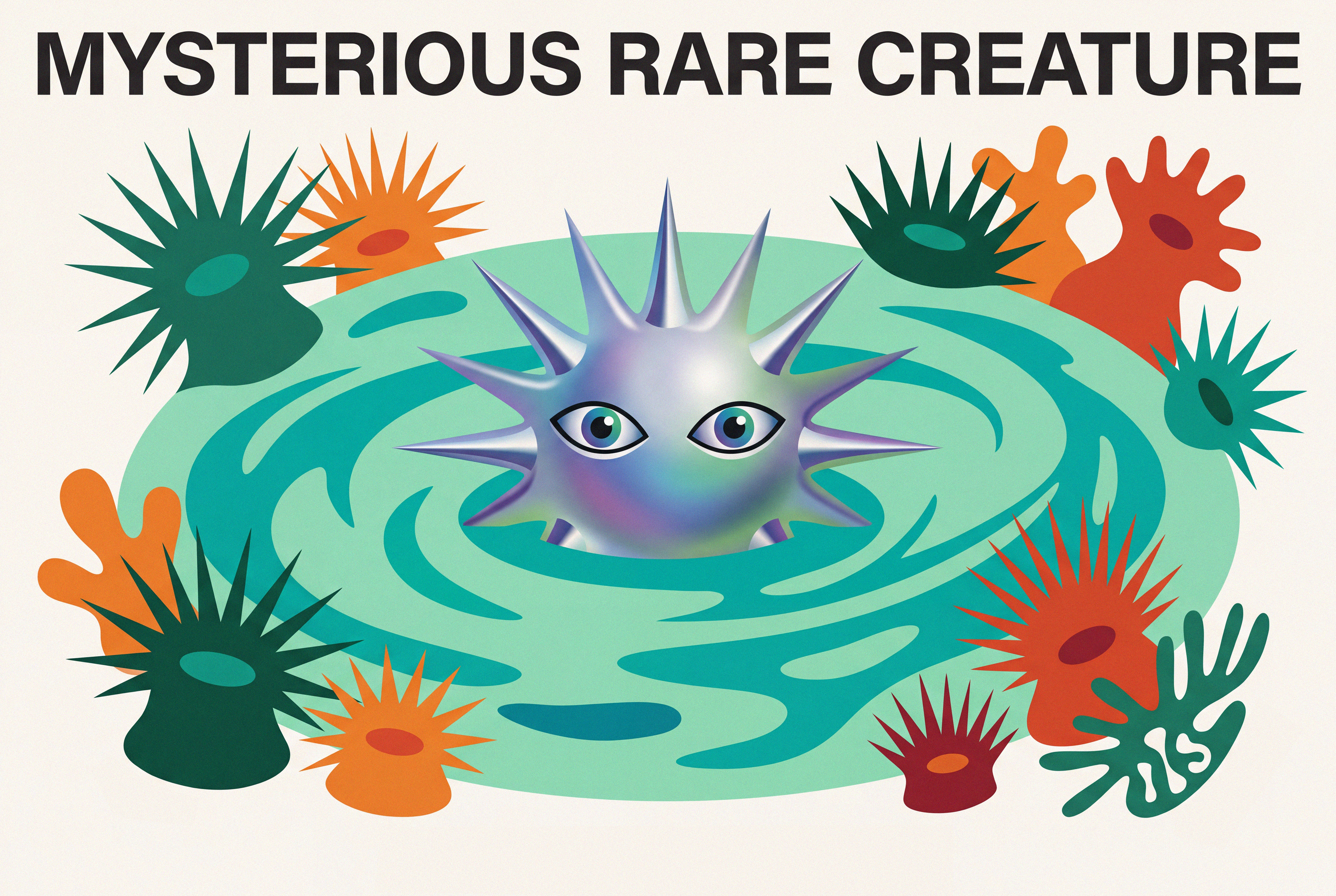
Mysterious Rare Creature, William Bottini, 2026
I’m William Bottini, a product designer, creative technologist, storyteller, and artist based in the Bay Area, formerly of New York City. I design and build products, teams, systems, content, and experiences that help people unlock their potential, reconsider the assumptions that shape their lives, and have meaningful, life-changing experiences enabled by AI, art, creative tools, and learning.
My interests and experience are about as multi-faceted as they come. I’d like to tell you a bit about them.
TRANSFORMATION THROUGH KNOWING
For the past decade at Stanford Medicine, I’ve led work at the intersection of generative AI, clinical education, human‑centered design, and media storytelling. I co‑founded and shipped AI Clinical Coach, an AI product that helps physicians strengthen clinical reasoning during real patient cases, designing the AI interaction model and prompt architecture, and guiding the product from concept through multi‑department pilots. Across my time at Stanford, I’ve directed 30 products reaching 1.5M learners worldwide, opened and run a production studio, and built multidisciplinary teams and operating models from scratch.
I joined the university from a video wellness startup, Grokker, Inc., where I was a founding member and head of video. My role spanned studio design, over 1,000 videos, filming with experts all over the country, our motion and branding, and steering our video platform design, too. I brought that entrepreneurial spirit to my work at Stanford, but also the concept of “grok” itself; that is, to be transformed through knowing. This potential energy of learning to change lives is something I take seriously; it’s something I center in all my work.
THINKING THROUGH DESIGN & MAKING
Alongside that career, I’ve maintained a long-running practice in film, video, games, music, and visual art, powered by curiosity about emerging technology and philosophy, and by an interest in how our designed world shapes our lives. I’ve directed music videos and visual albums, built interactive worlds and educational games, and made work that moves between physical and digital realms, between daily life and philosophy.
My current work, Hollo Doll, for example, is an AI-powered doll that runs on a local AI architecture I built. Unlike AI chatbots and companions, it doesn’t know anything and can’t help you; instead, it witnesses your life and is simply happy to be here. Just maybe that idea will rub off on its owners. I’m one of those people who learns how to do almost everything in a project at least once, not out of restlessness but from a desire to follow ideas across mediums until they find the right form.
A through‑line in both my product work and my art is a fascination with how we seek, reveal, and live with things that are bigger than our ability to fully know them. I’m drawn to experiences that remind people of the limits of their own knowledge while inviting curiosity rather than paralysis—what Kenya Hara calls “exformation,” the kind of revelation that expands the space of not‑knowing instead of closing it. In practice, that shows up as products and stories that surface thinking rather than hiding it, that make reasoning and emotion visible, and that treat users as active collaborators in meaning‑making.
COLLABORATION WItH PEOPLE AND WITH TOOLS
Collaboration is central to how I work. I care a lot about creating spaces where other people’s talents and obsessions can sharpen the work — from long‑running collaborations with my partner, Shanna Polley, on the visual and sonic world of Snakeskin, to large cross‑functional teams of clinicians, educators, engineers, writers, and artists at Stanford Medicine. Whether the medium is an AI product, a video game, a studio workflow, or a music video, I tend to think in terms of shared worlds people inhabit together, rather than solitary output.
I’m also preoccupied with tools: the ways they shape attention, conceal complexity, and quietly steer our behavior. My graduate thesis explored “tool‑breaking” and intentional misuse as a way to see the designed world more clearly, and that mindset has stayed with me as the “black box” of AI has become part of everyday practice. I’m less interested in tools that flawlessly automate and more interested in ones that expose their own limits, invite reflection, and help people become more skillful, not less.
VALUES AND THE FUTURE
Underneath all of this is a set of simple values. I like working on things that can change people’s trajectories—a physician who reasons differently, a learner who sees themselves in a story, a collaborator who finds a new facet of their own voice. I believe technology, art, and systems design can be forms of care when they are built with attention to inner life, judgment, and the stories people tell themselves about who they are.
I’m currently exploring senior leadership roles in AI product, creative technology, and human‑AI interaction, alongside continuing independent experimental and collaborative projects. If you’re working on any of those edges, especially where AI meets thinking, care, or creativity, I’d love to talk.
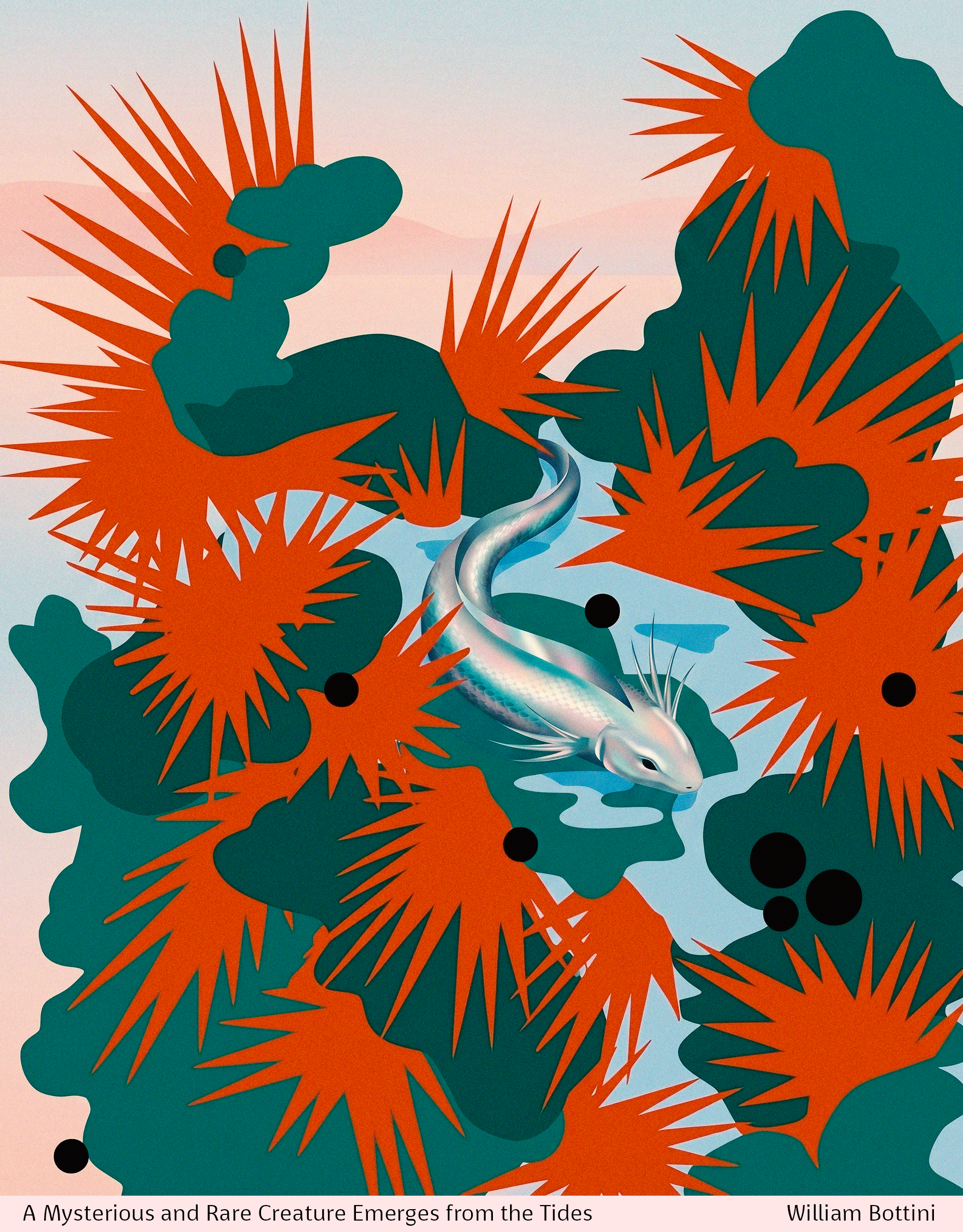
SELECTED ARTWORK
Below is a selection of moving‑image and visual work from recent years. These projects span music videos, visual albums, and experimental pieces, and they continue to shape how I think about pacing, atmosphere, and the emotional logic of products and systems.
STILLS
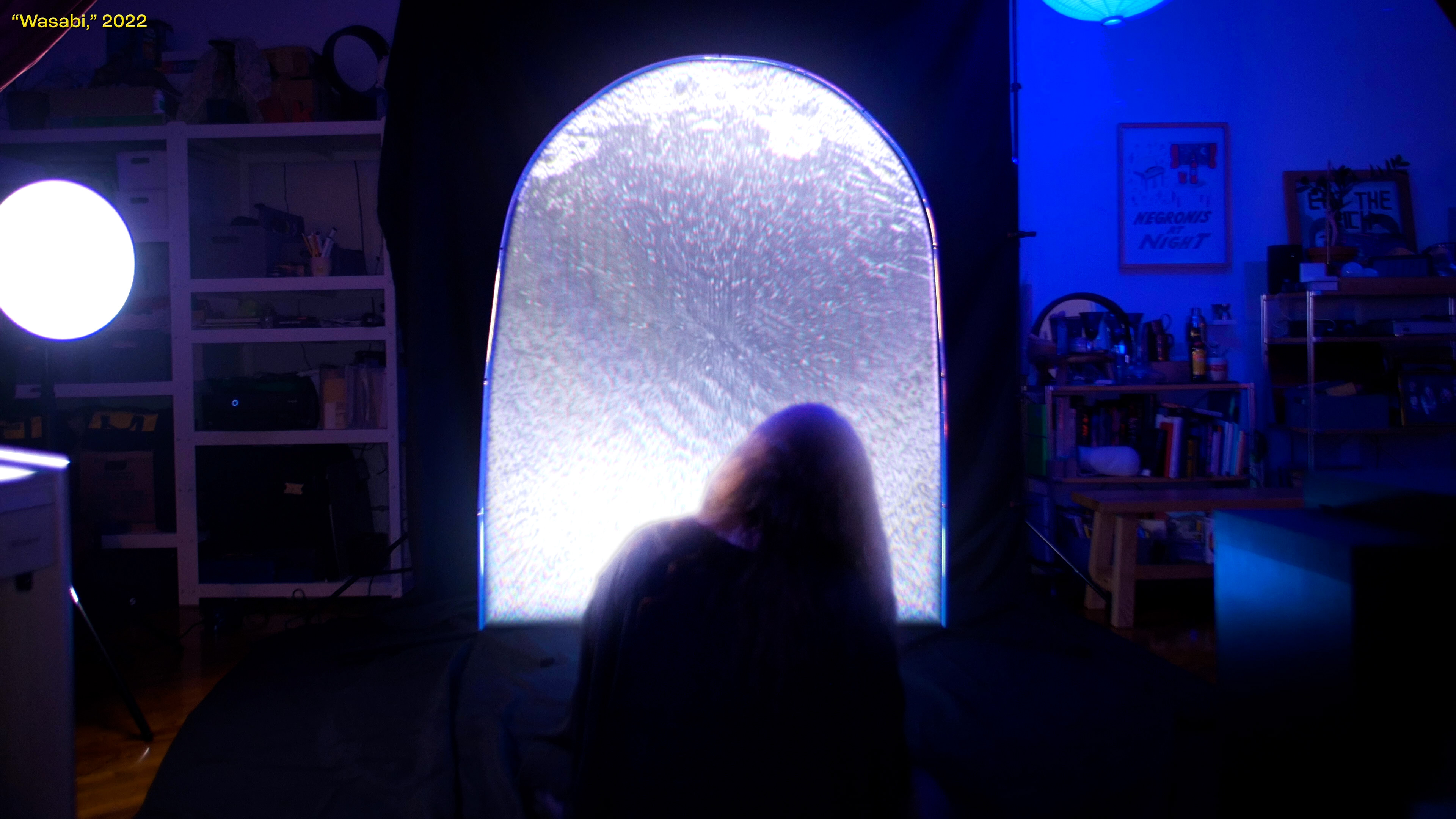
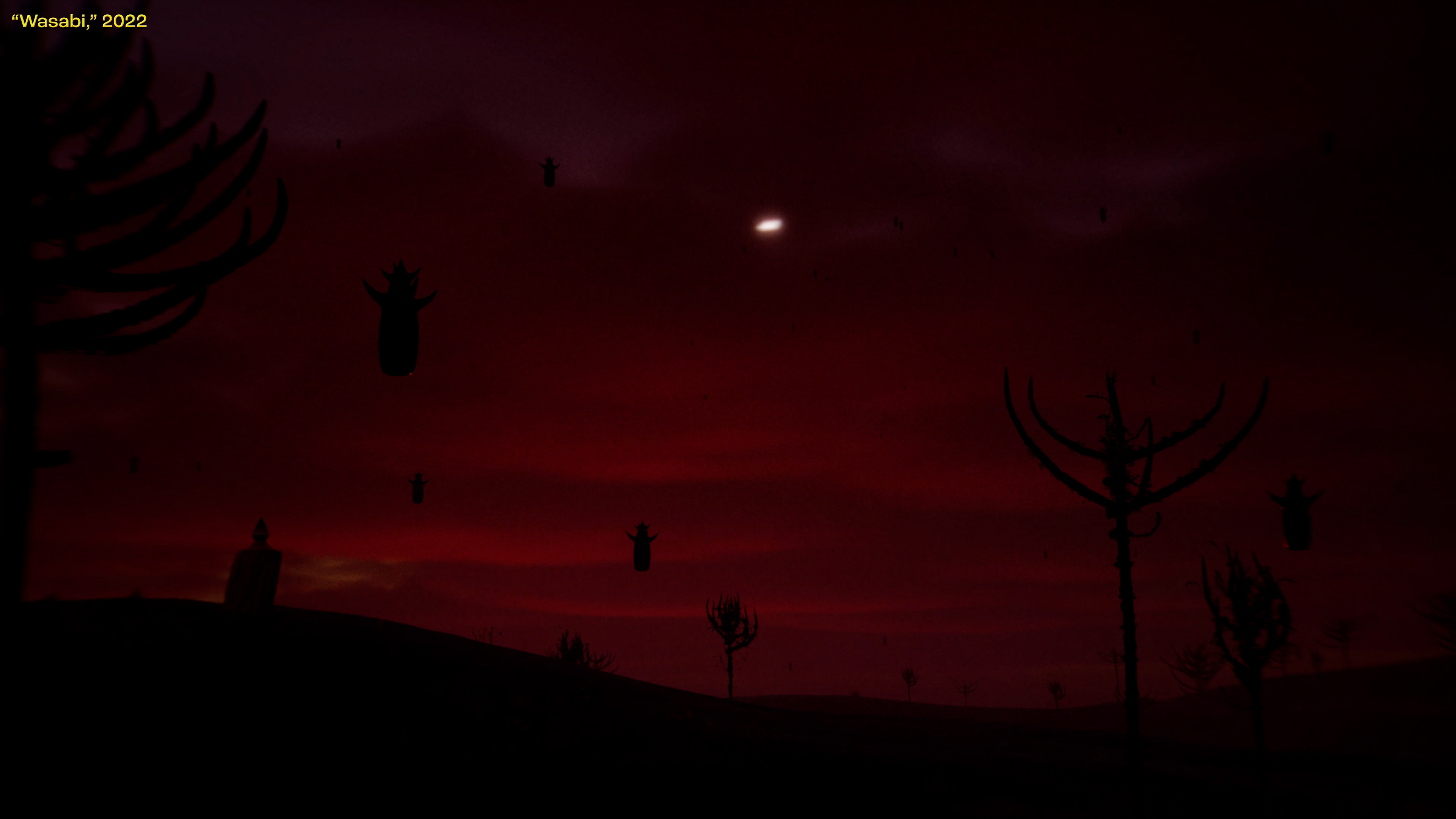
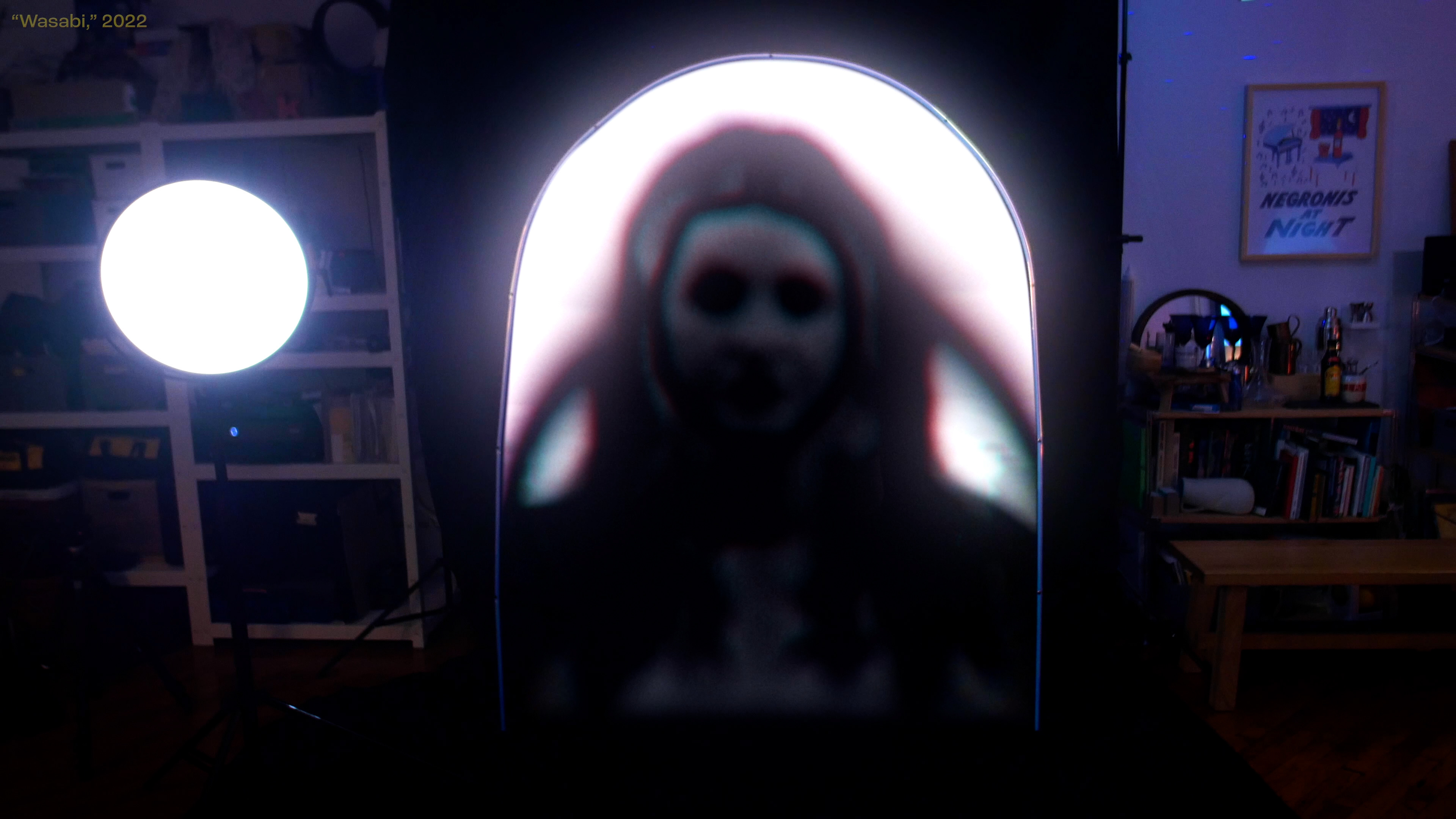
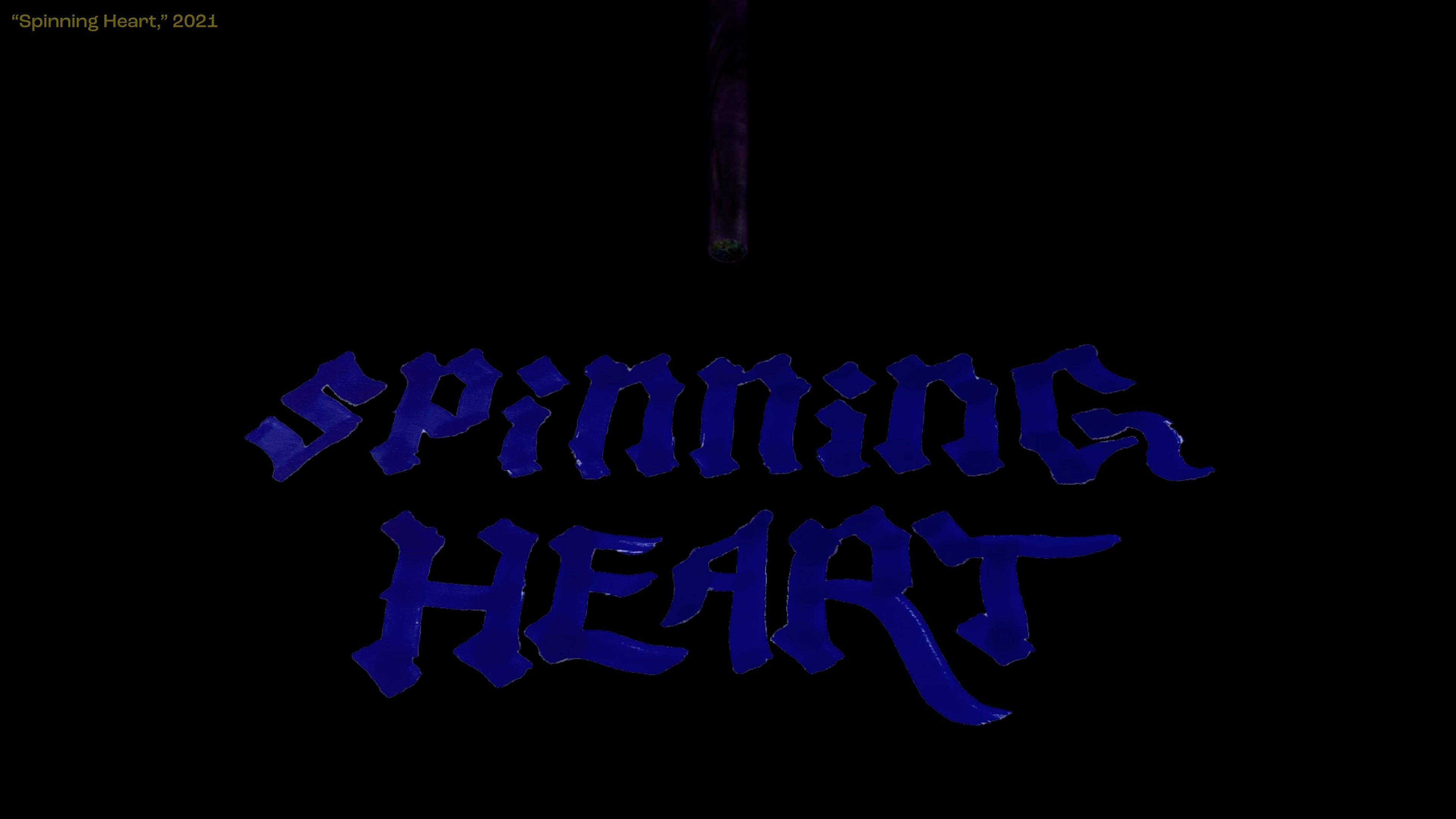
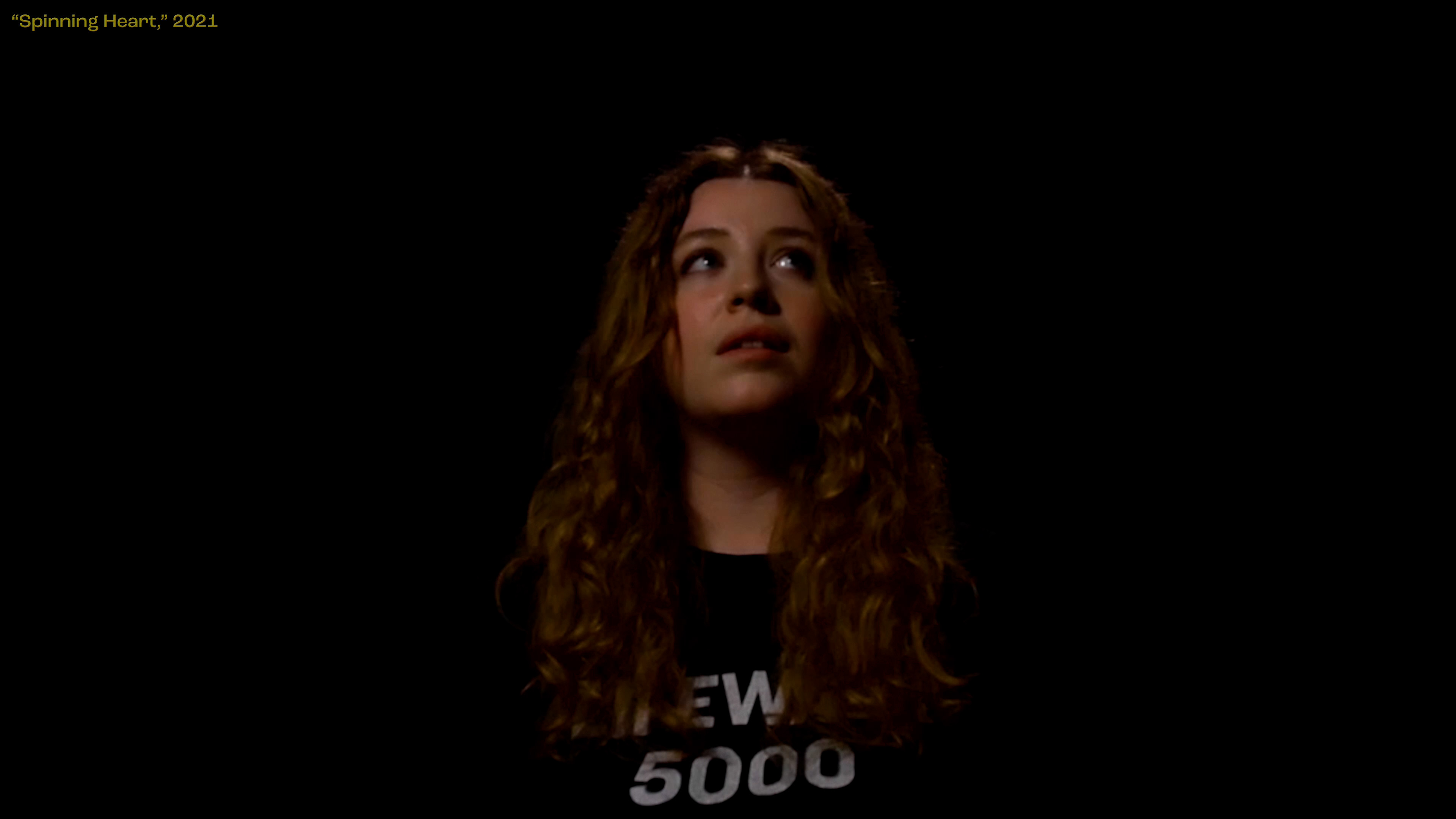
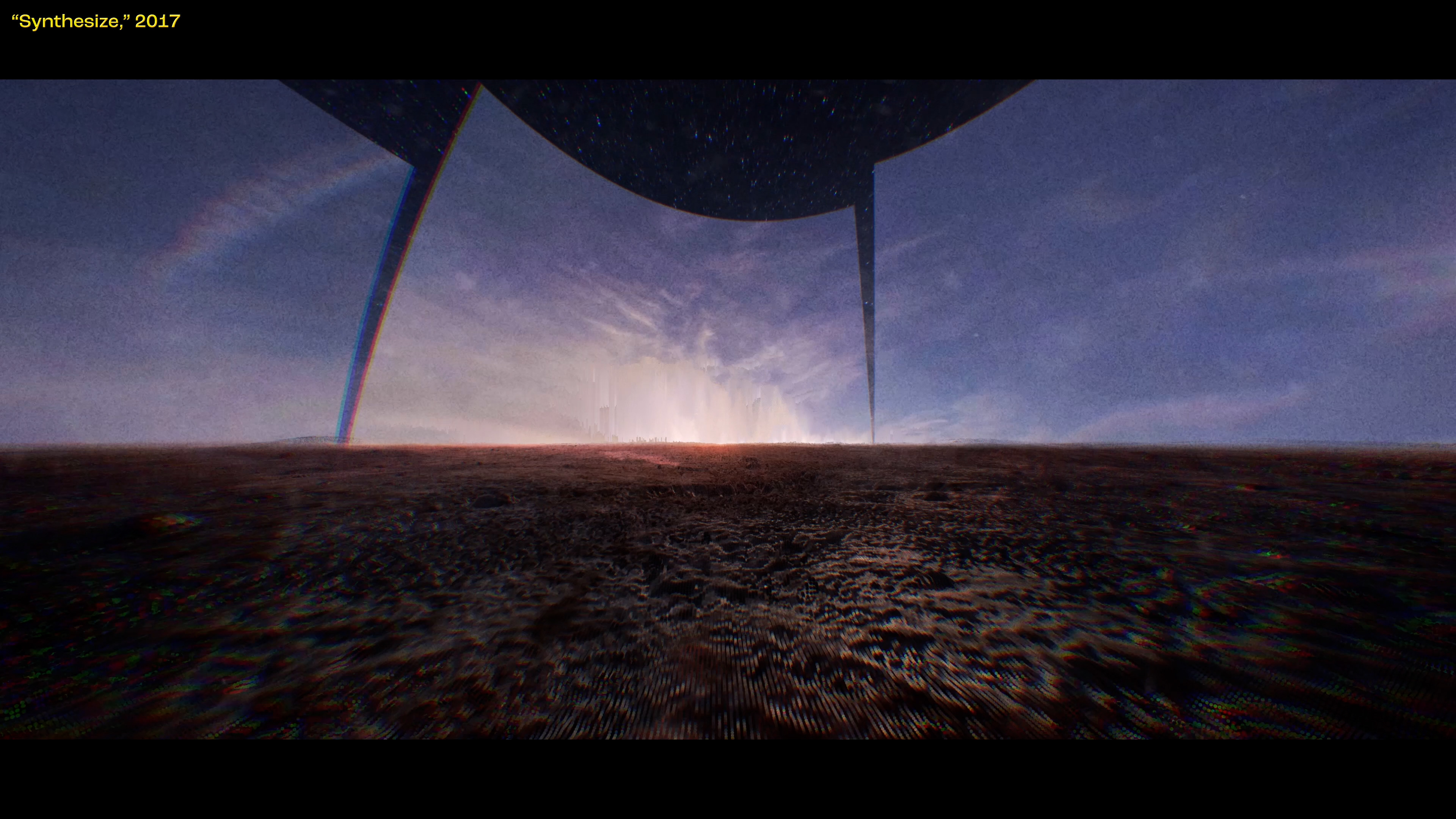

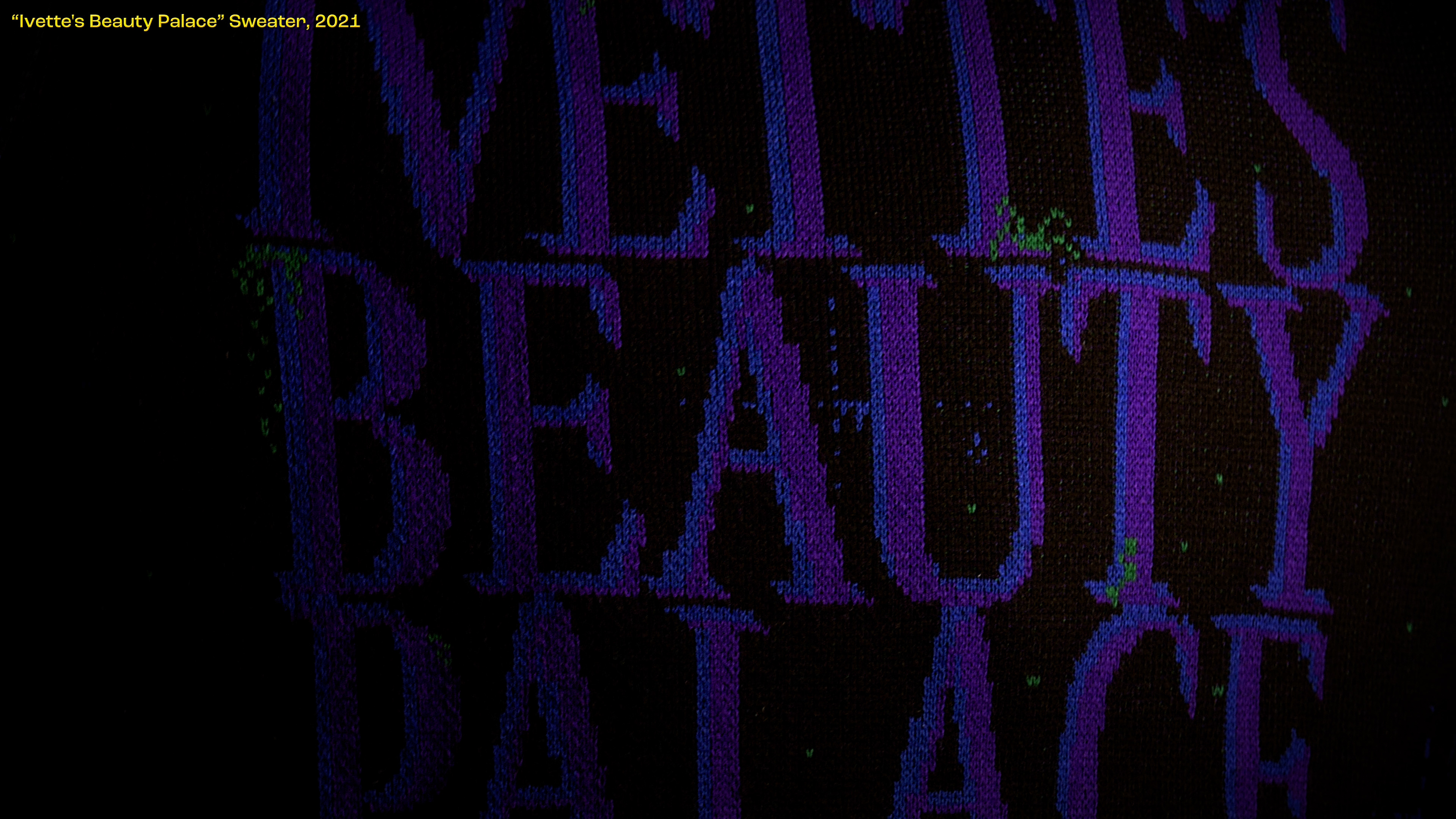
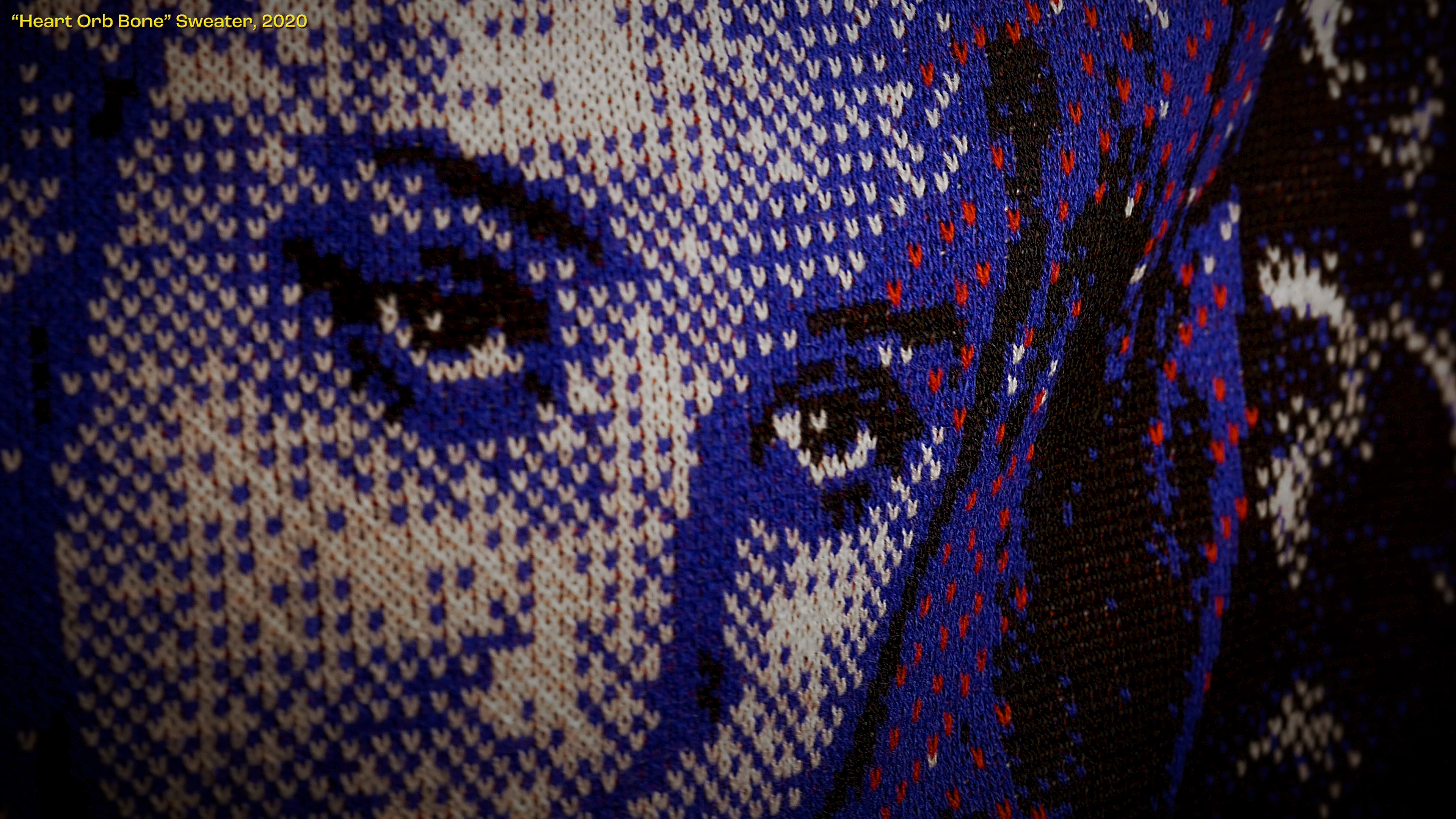
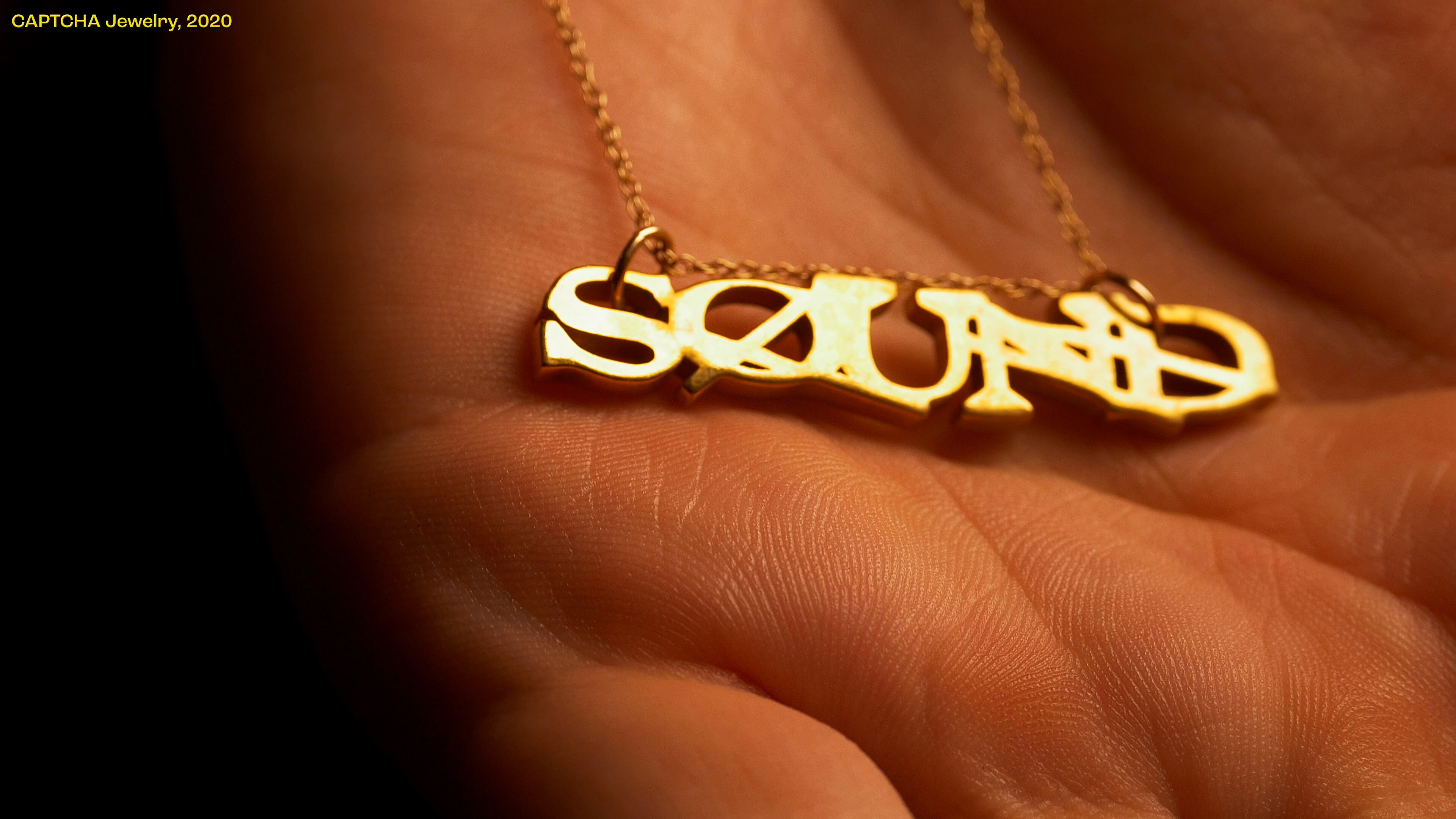
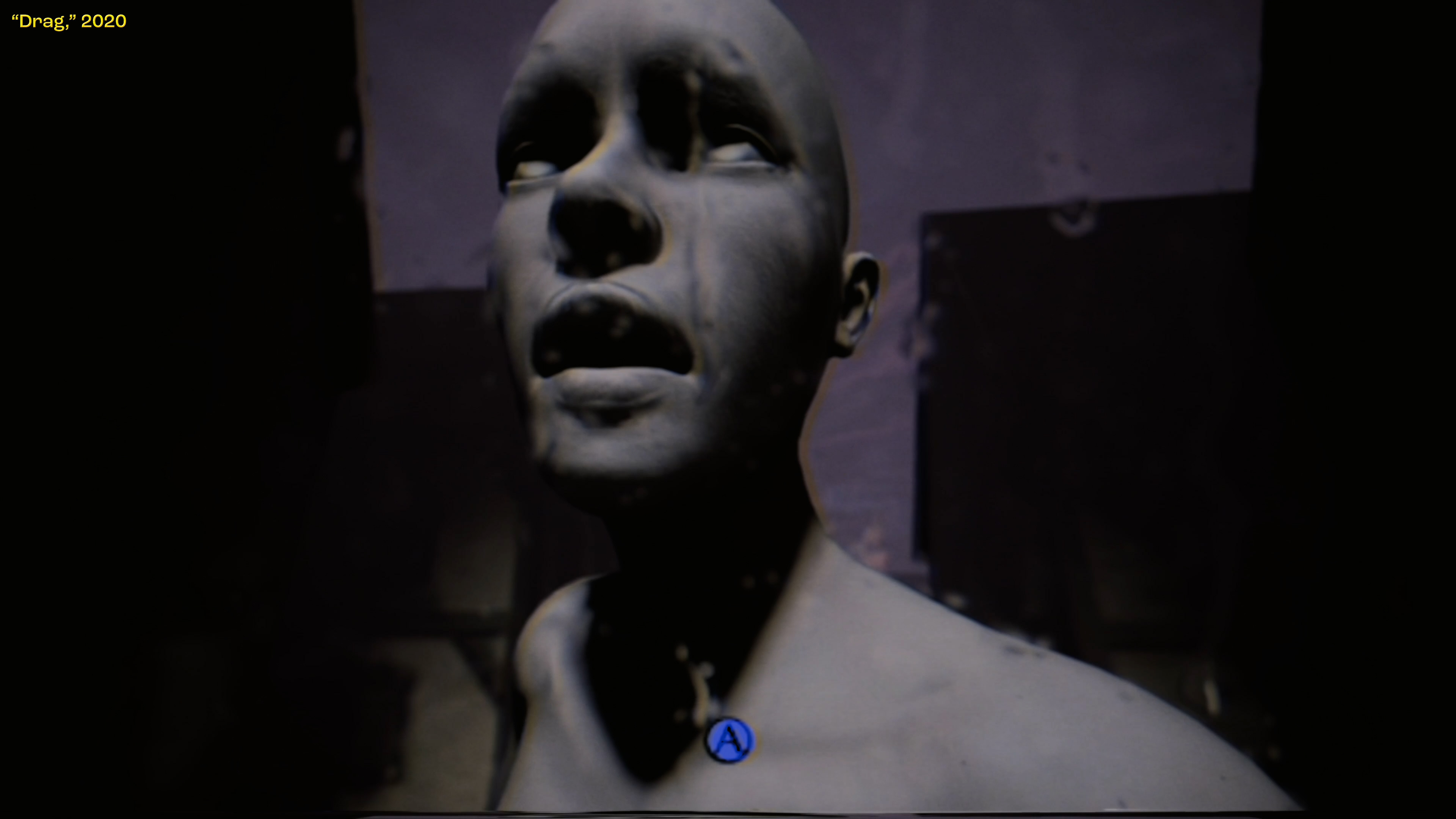

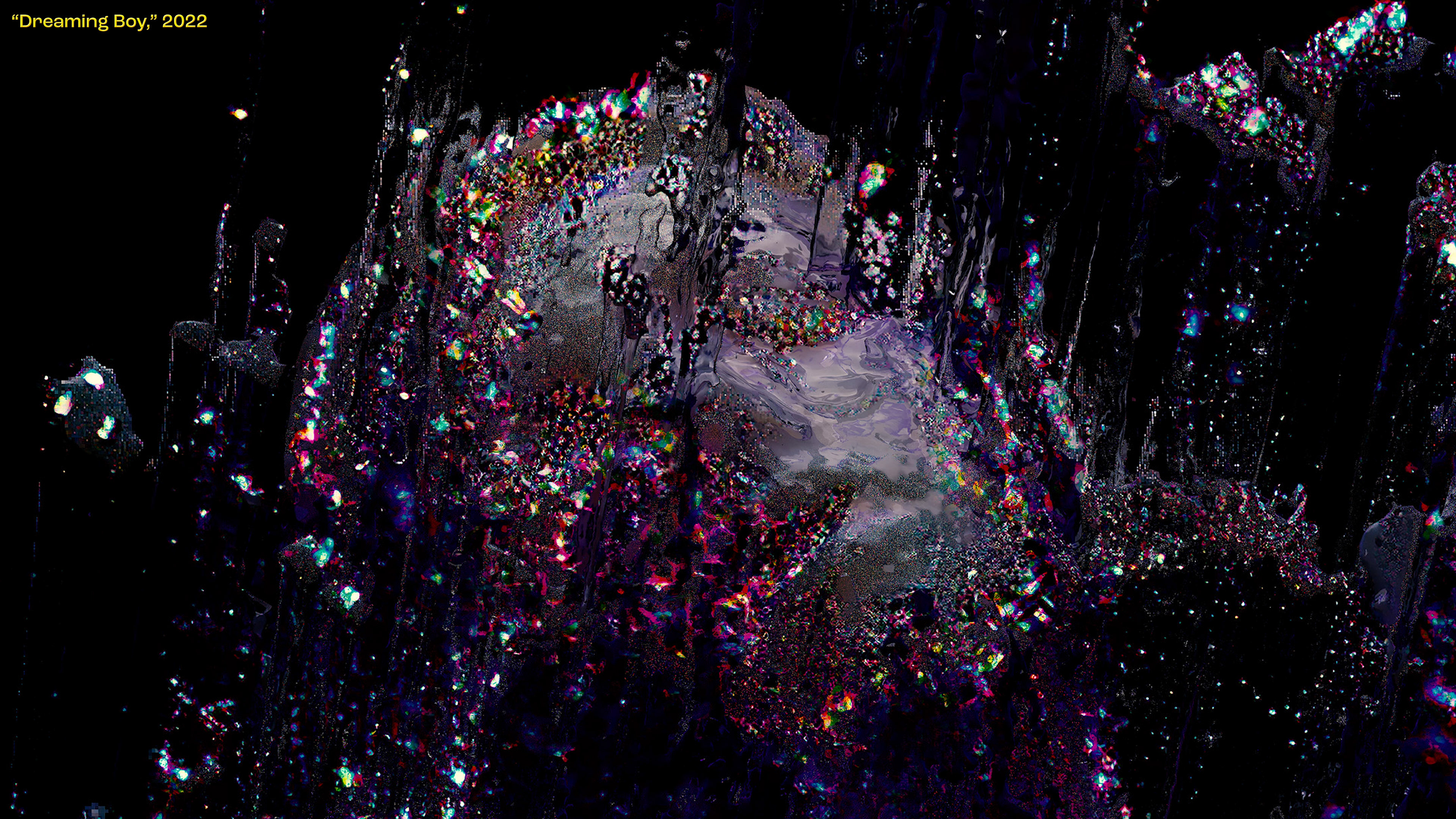
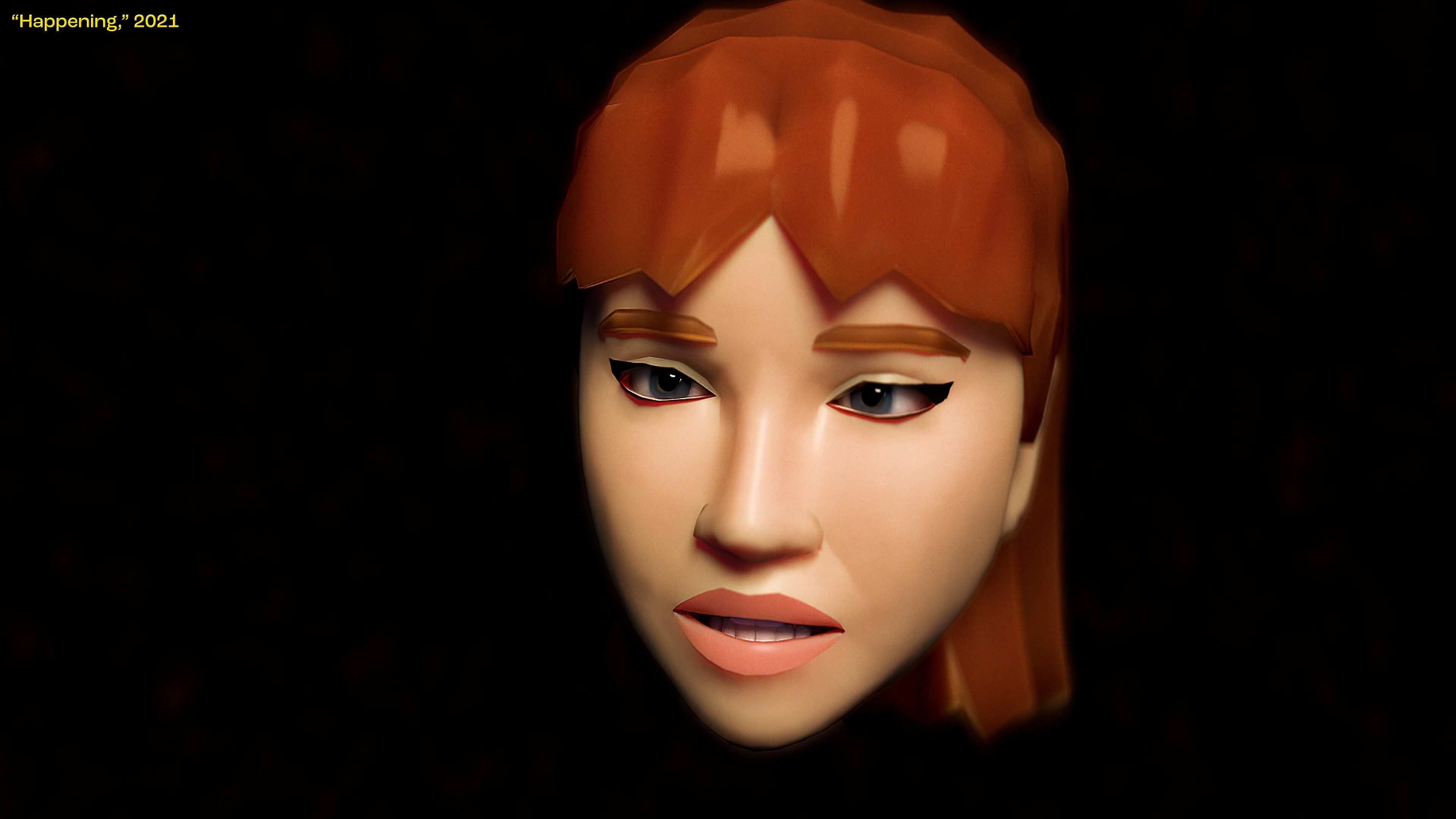
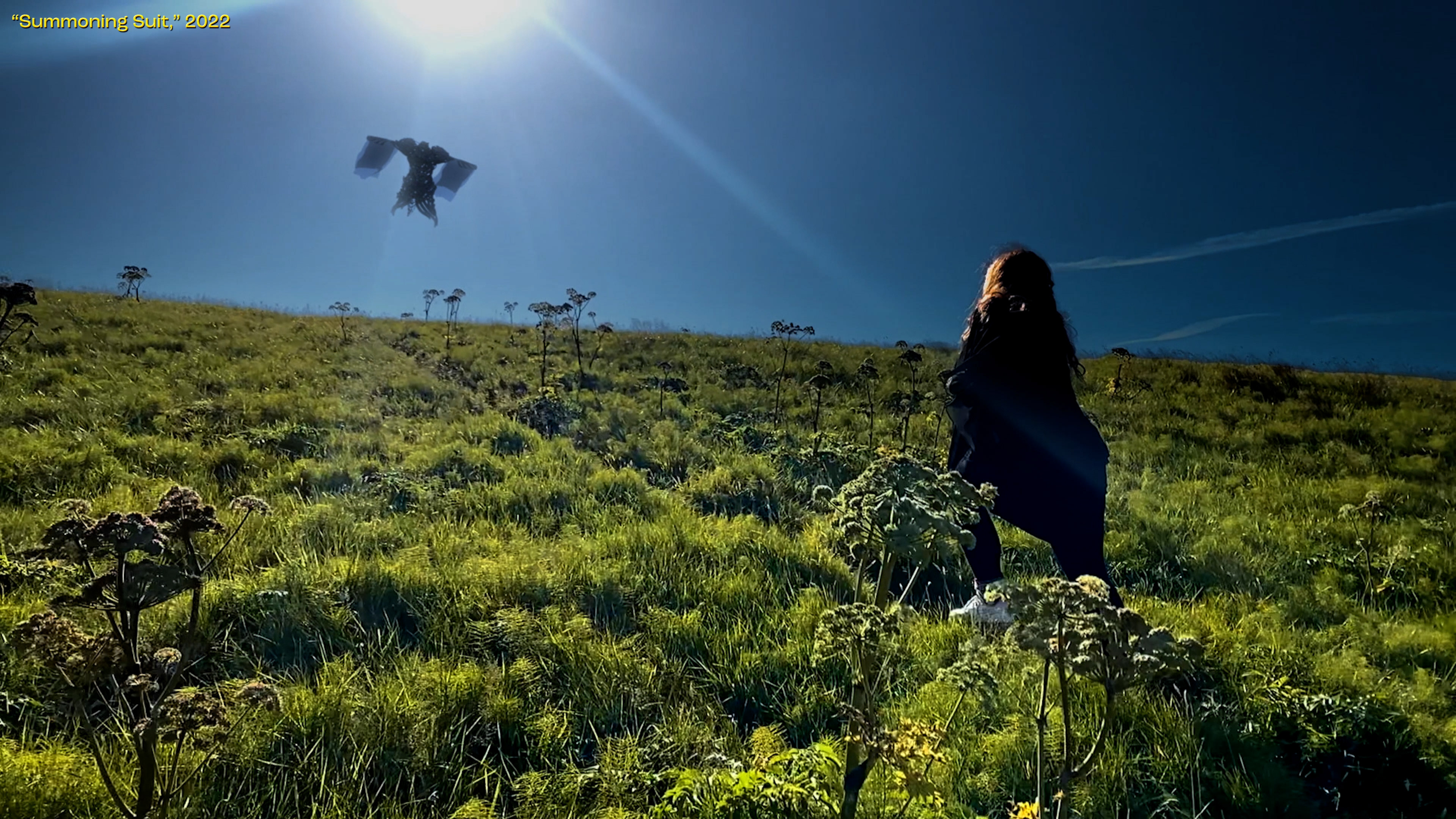

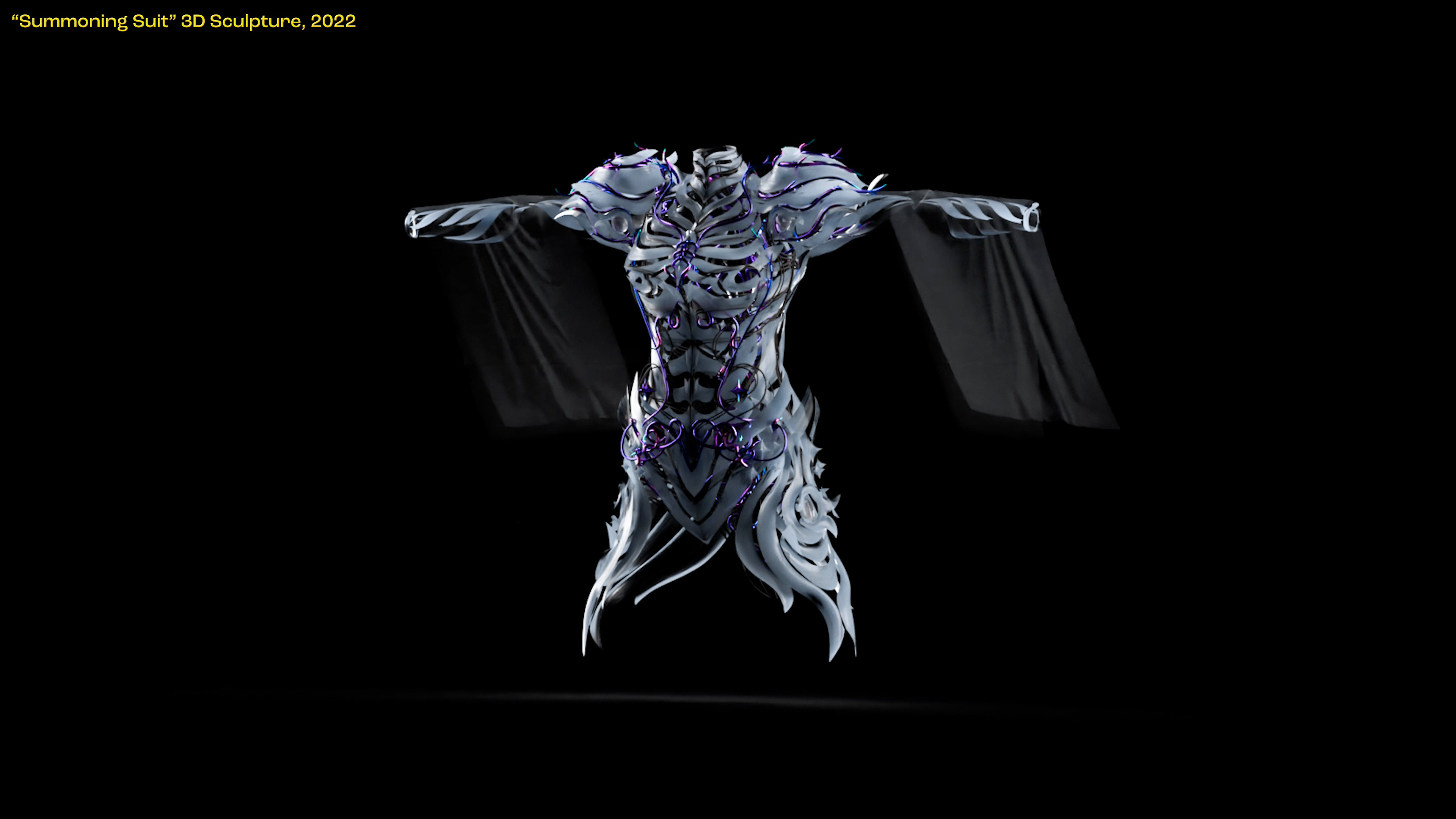

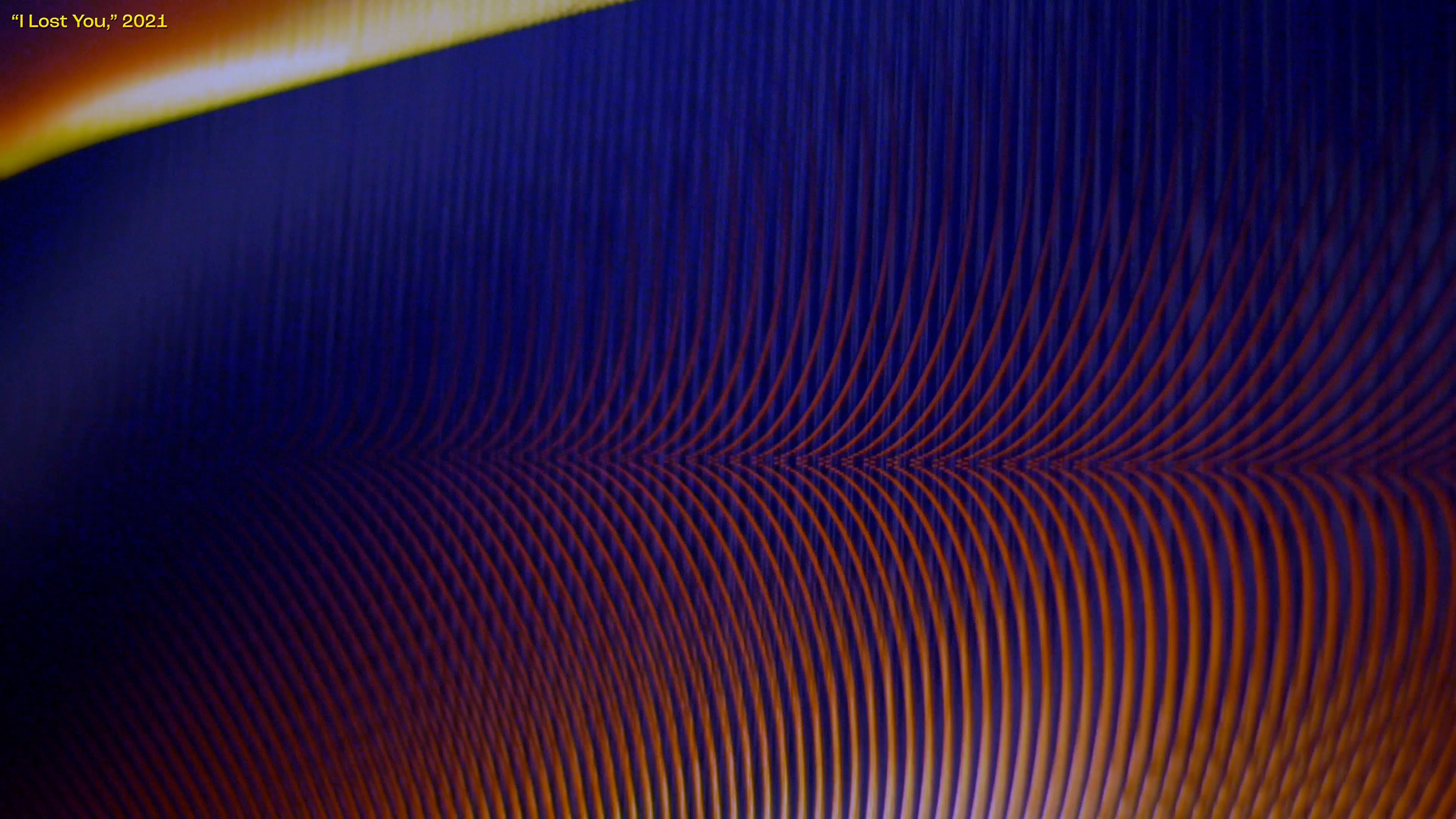
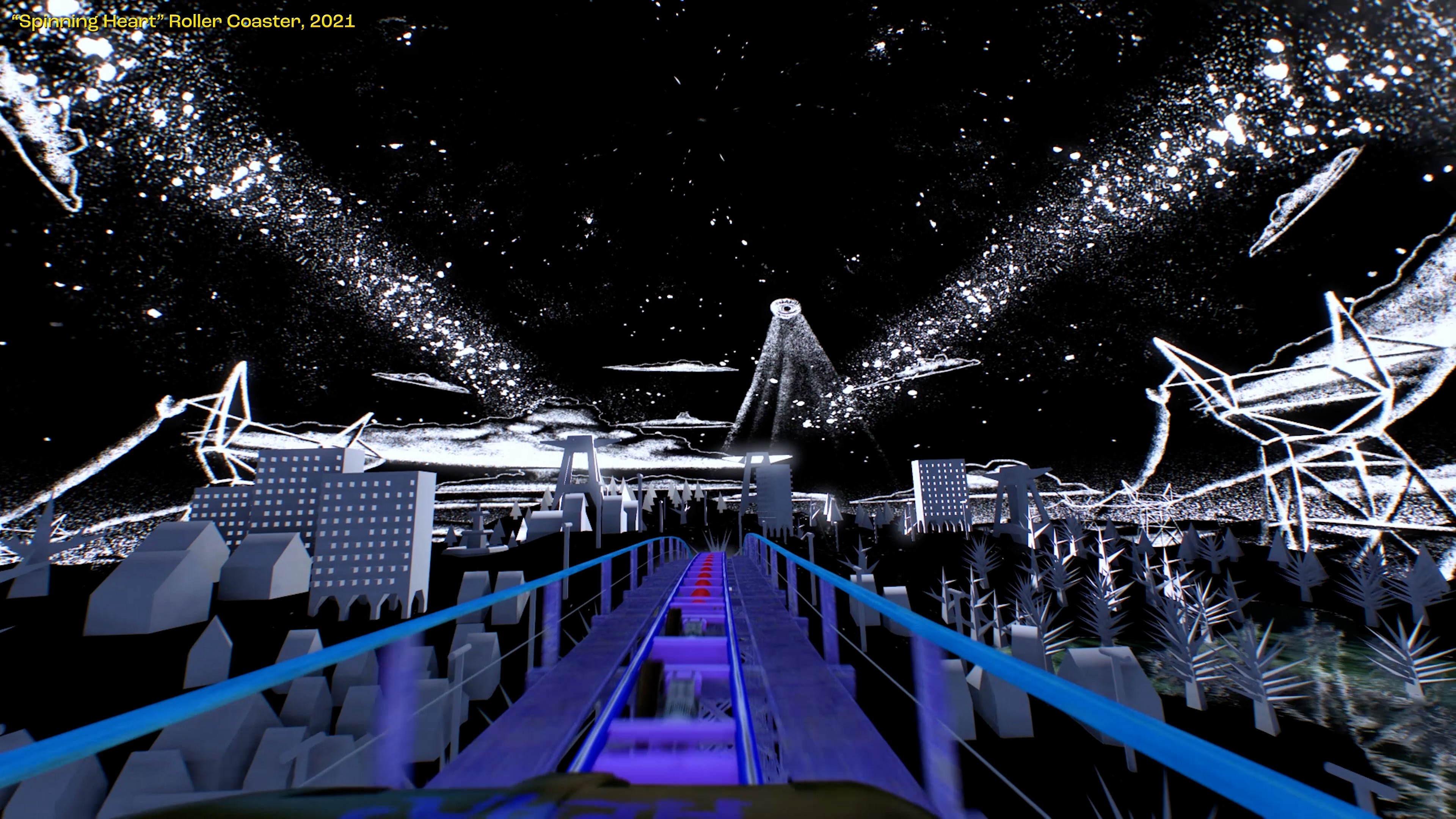
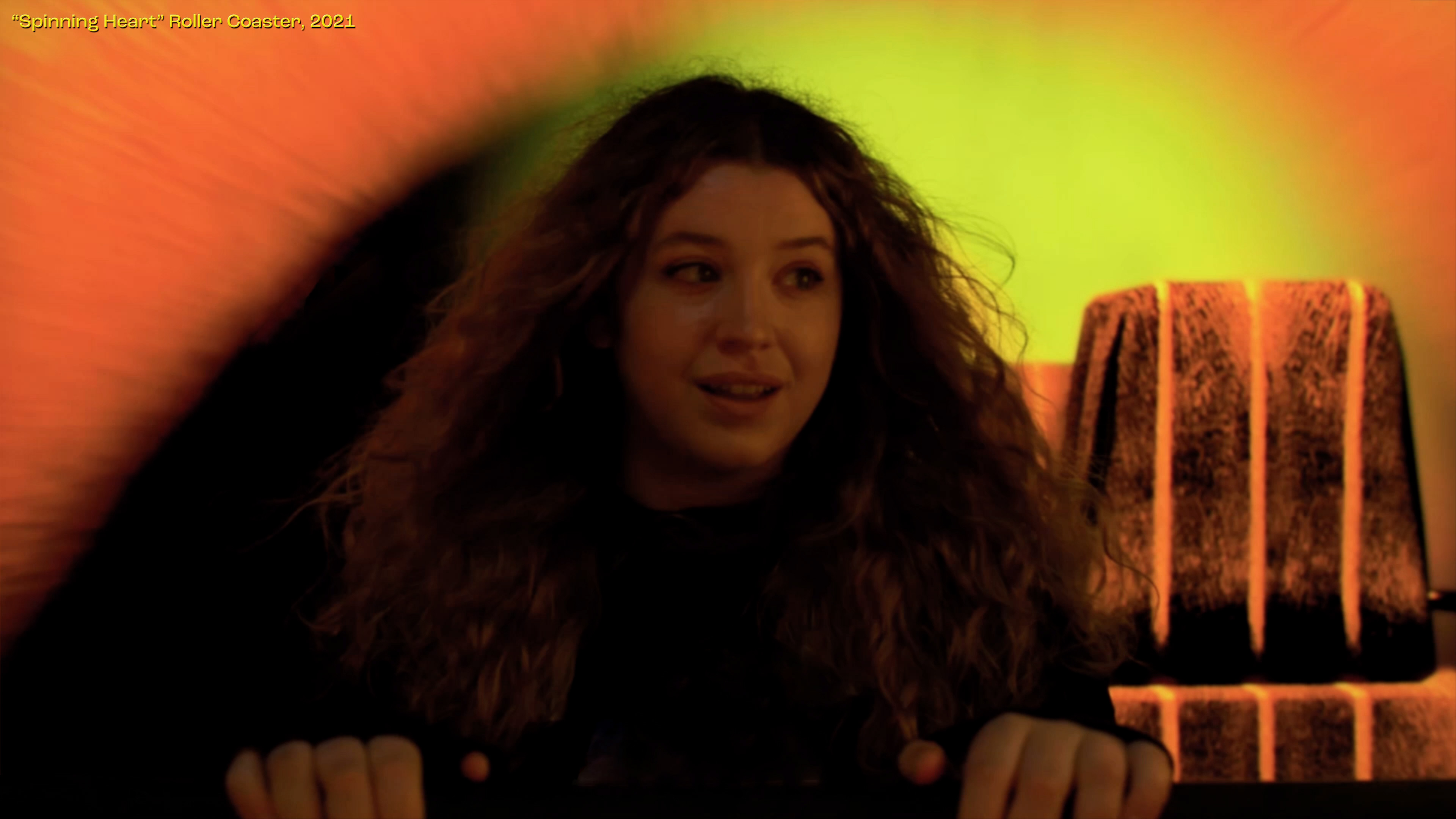
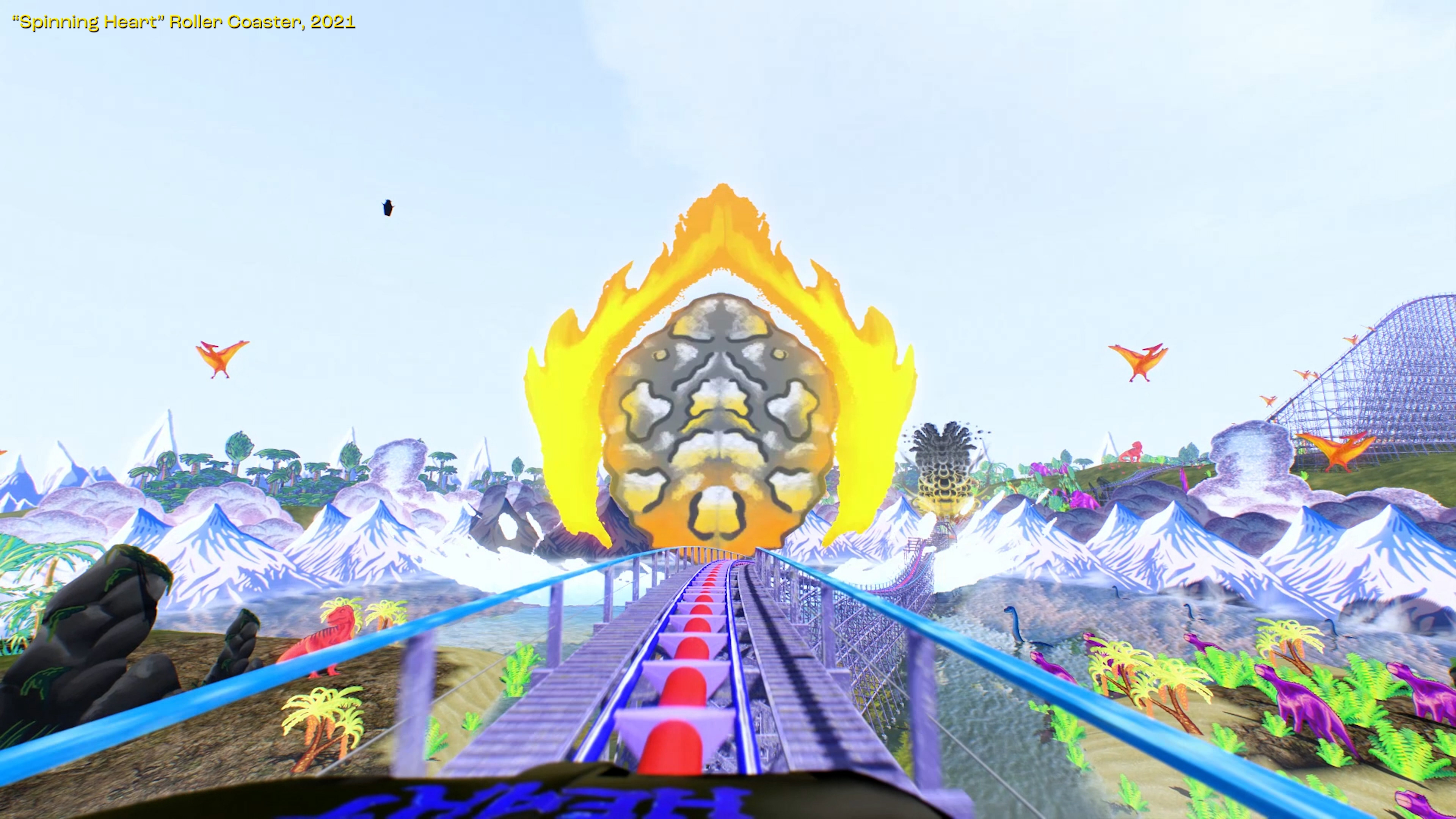
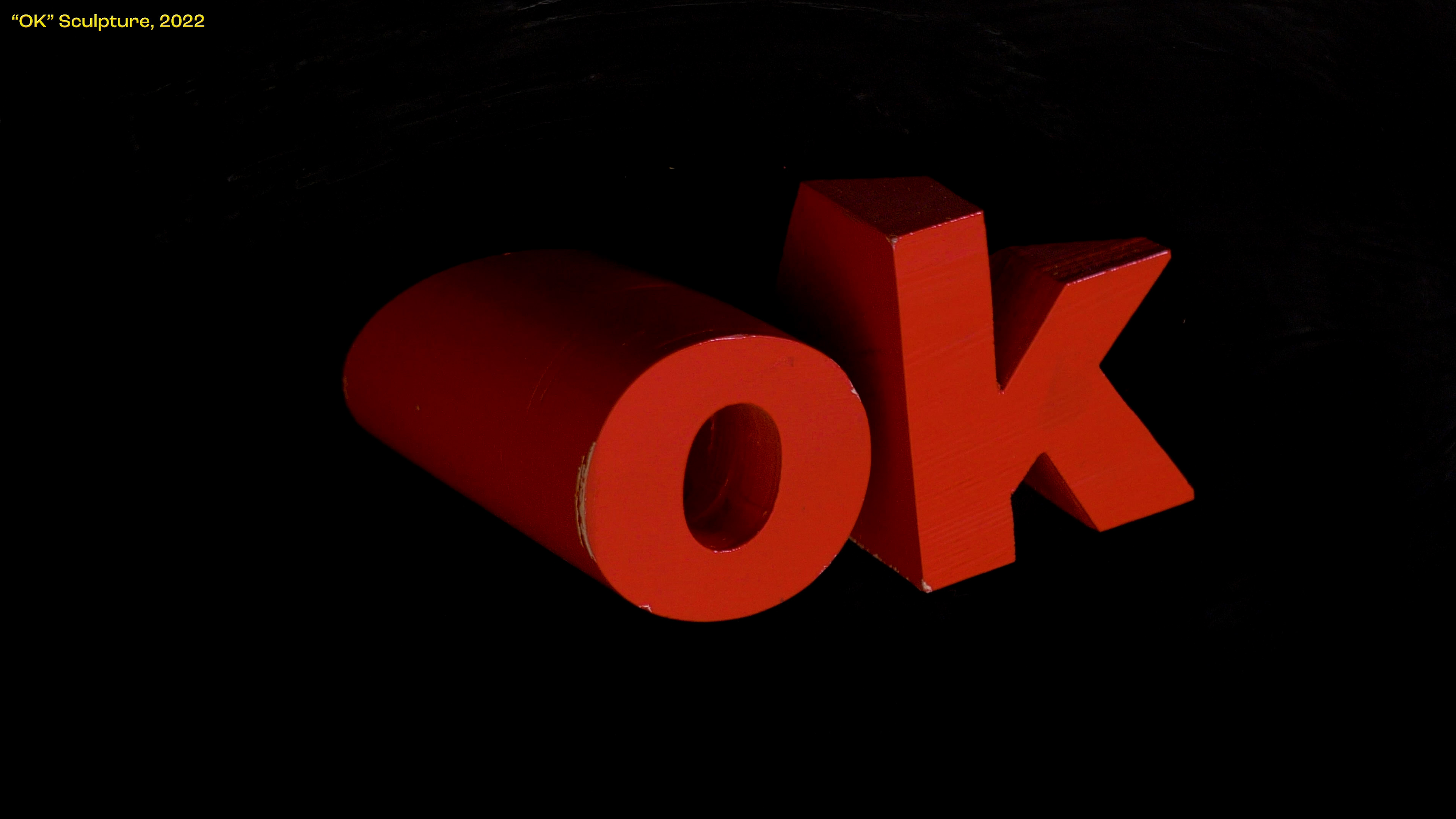
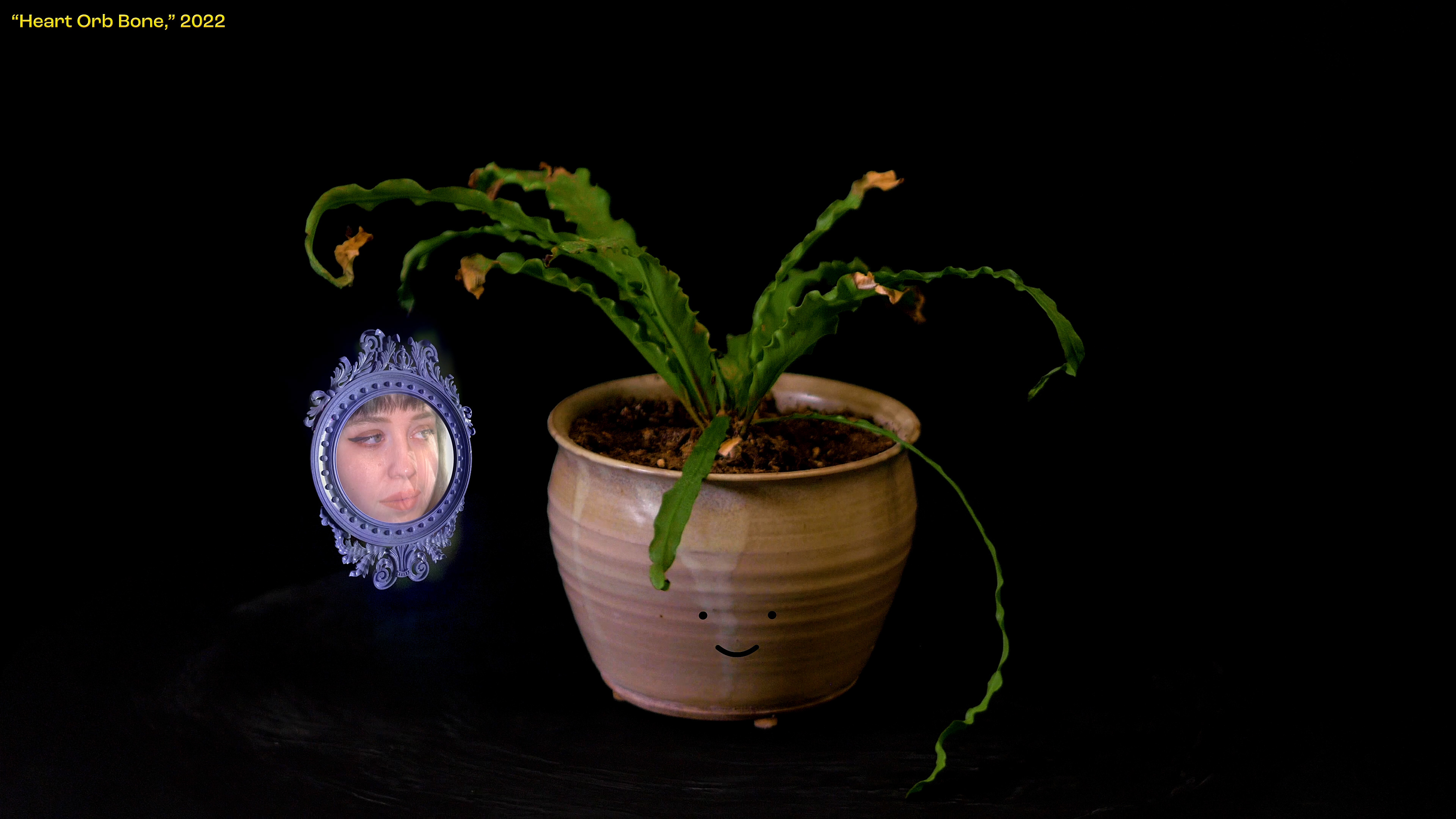
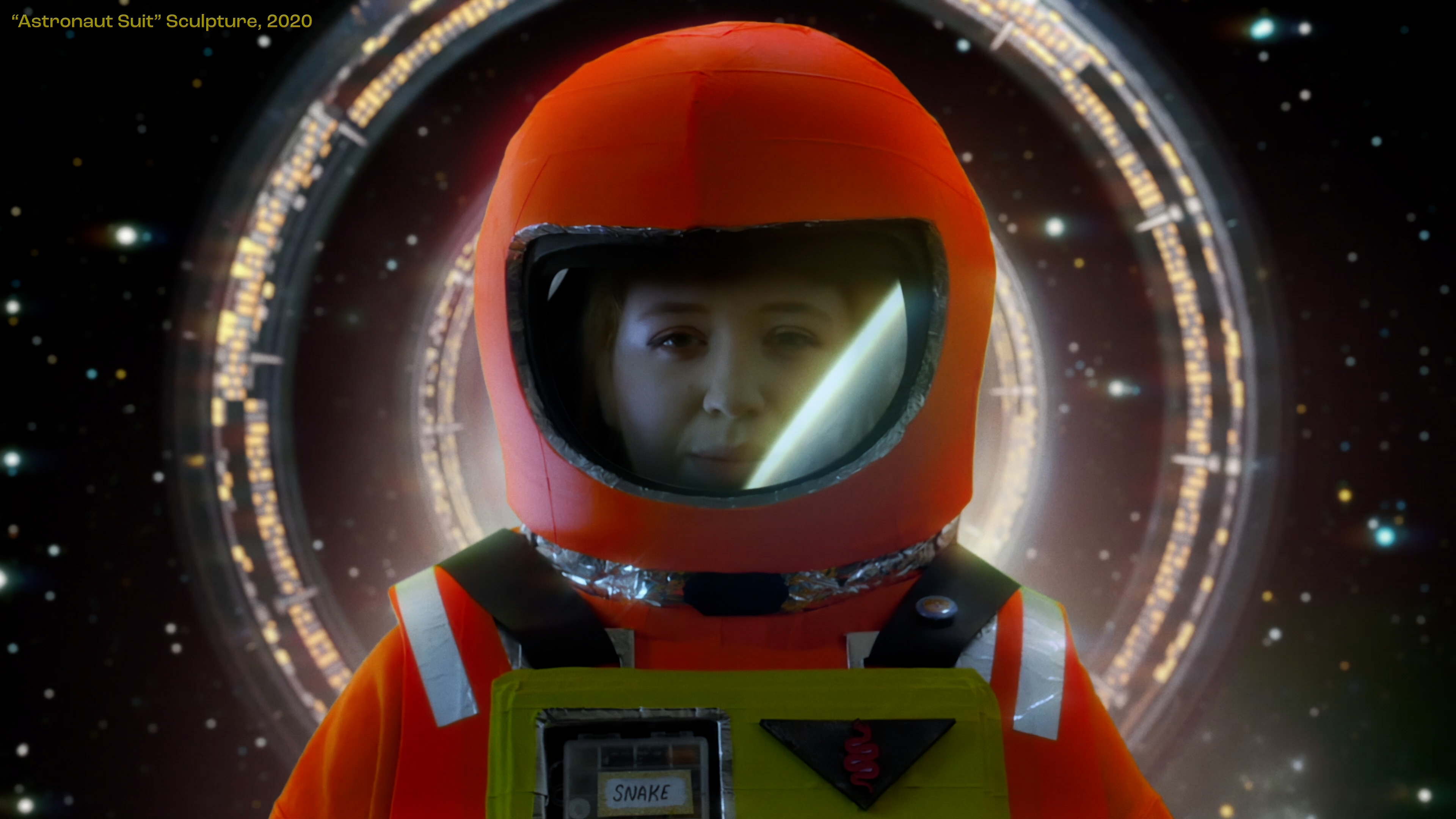
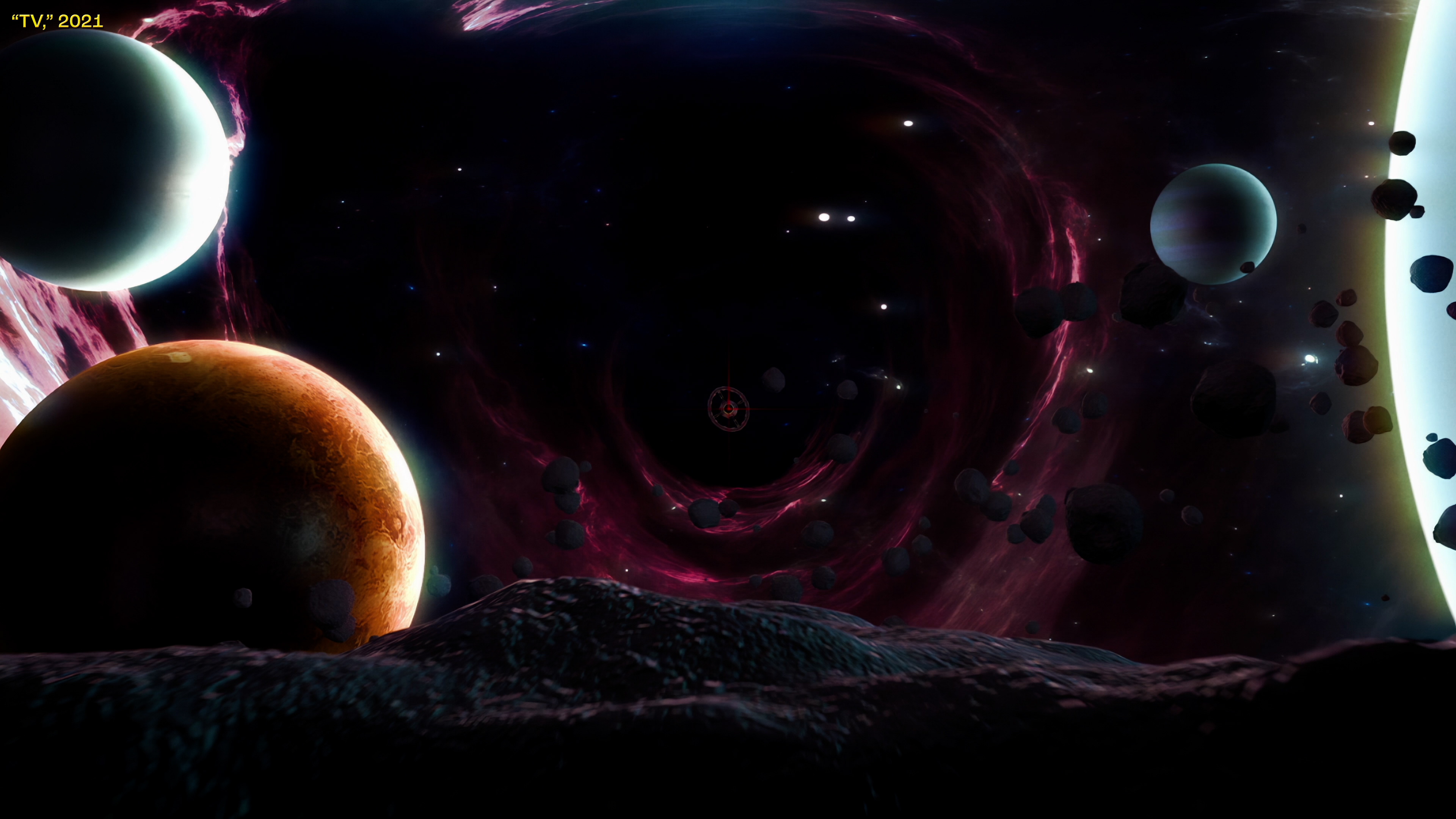
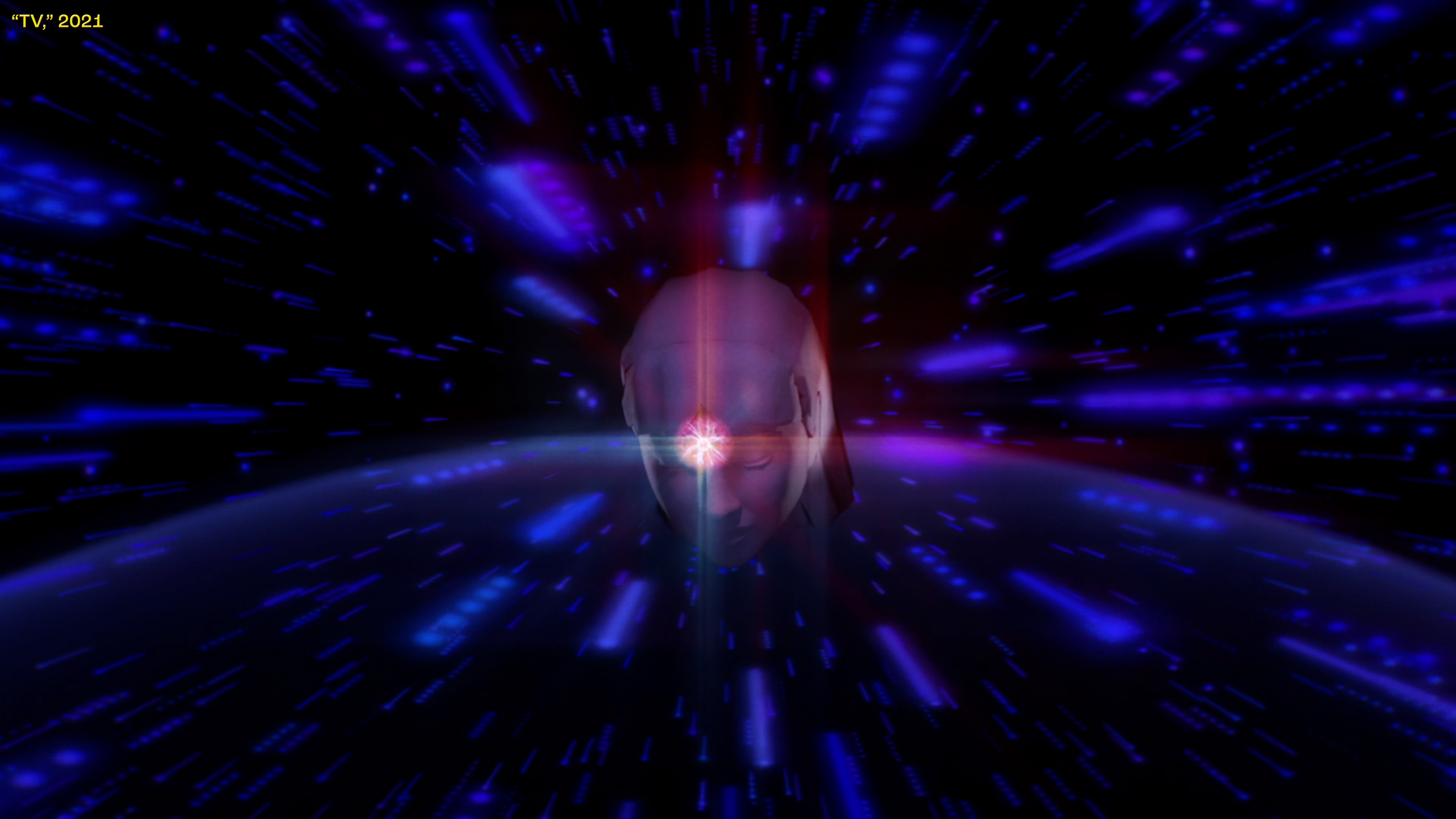


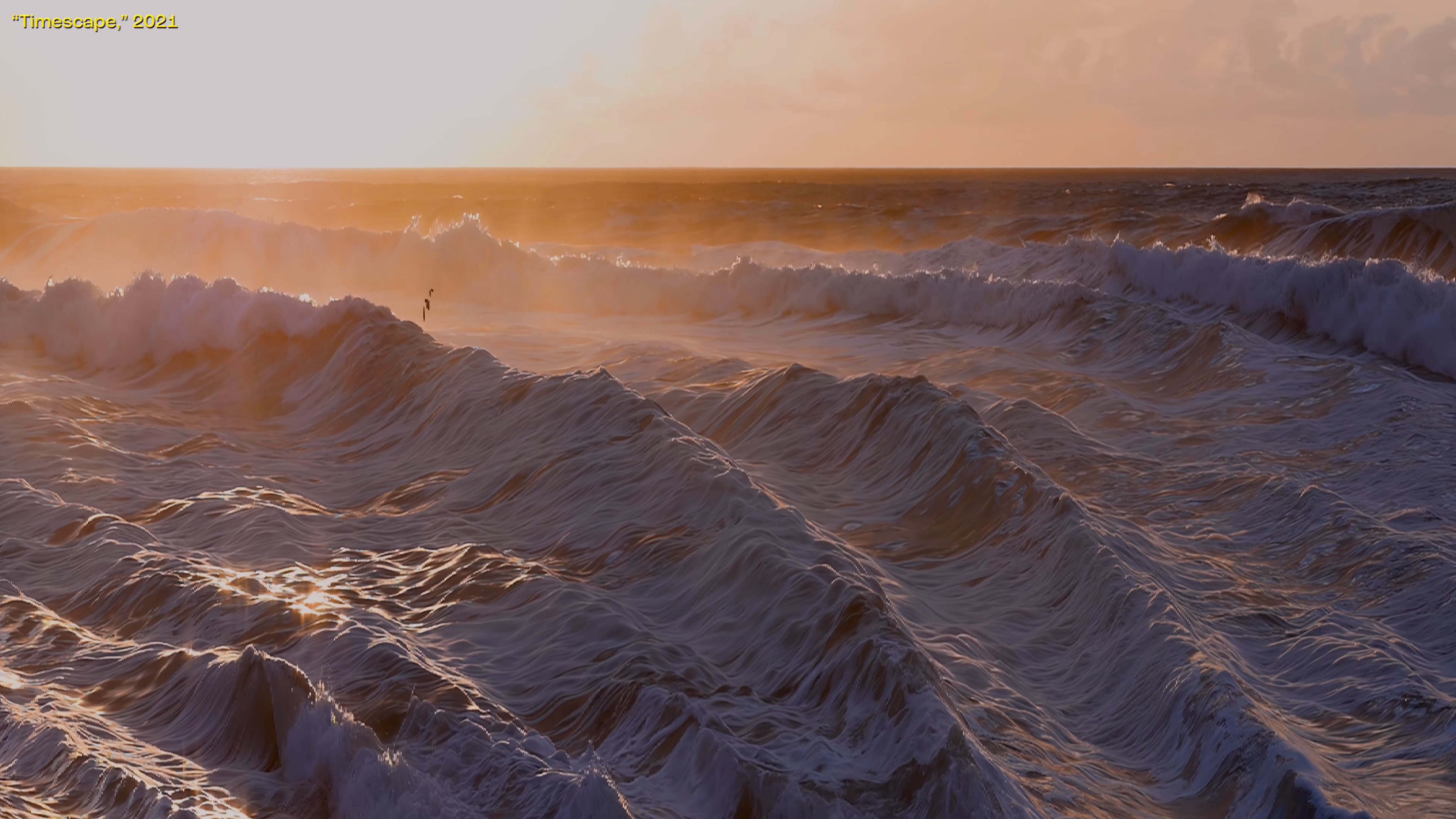
Project list & additional credits in order of appearance:
"Wasabi" (Release TBD)
Song by Snakeskin
Starring Snake
"Spinning Heart" (Release TBD)
Song by Snakeskin
Starring Snake
"Synthesize" (2017)
Song by Snakeskin
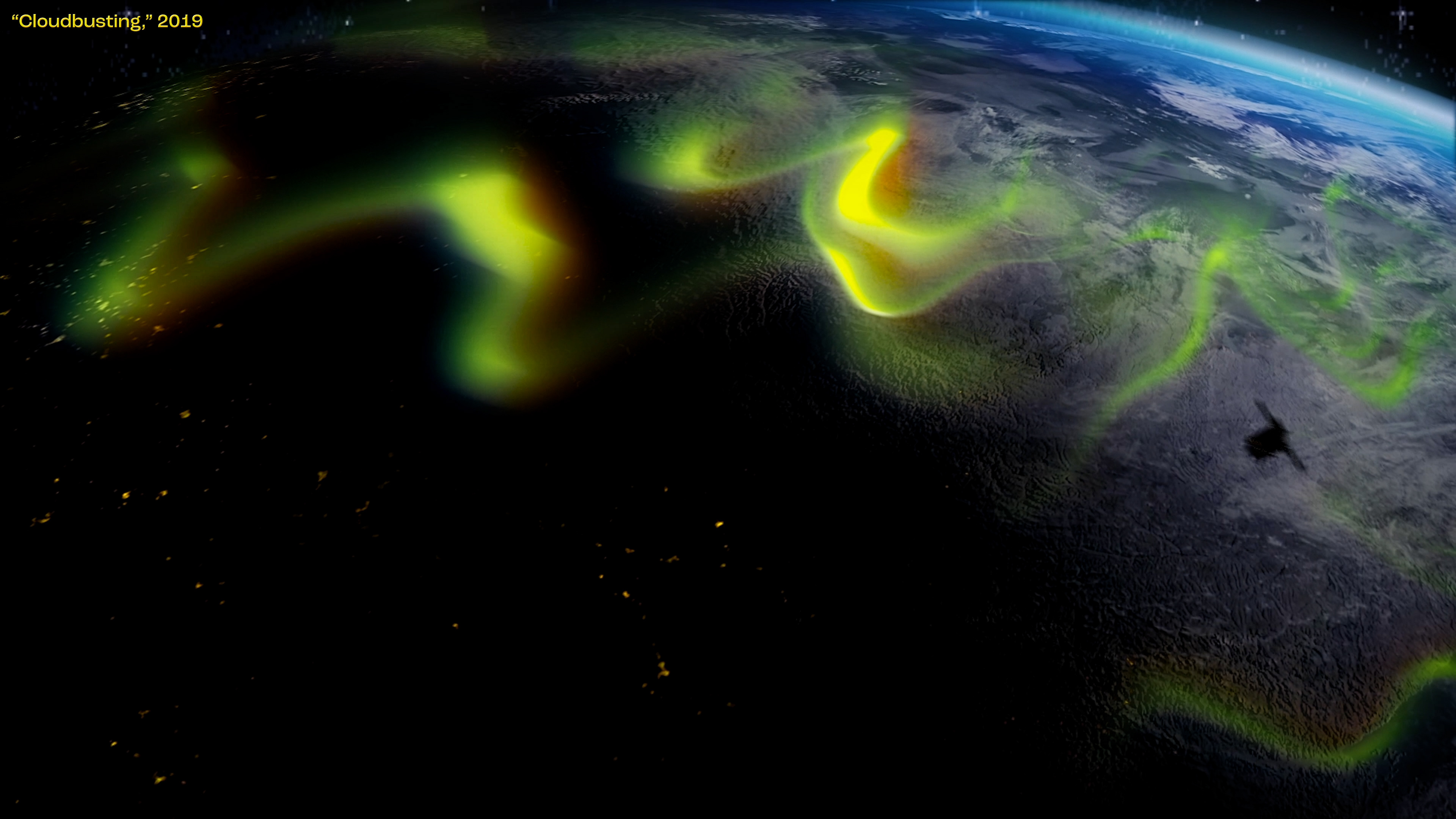
"Cloudbusting" (2019)
Song by Snakeskin
Original song by Kate Bush
Lil UFO character design by Shigesato Itoi
Earth imagery by NASA
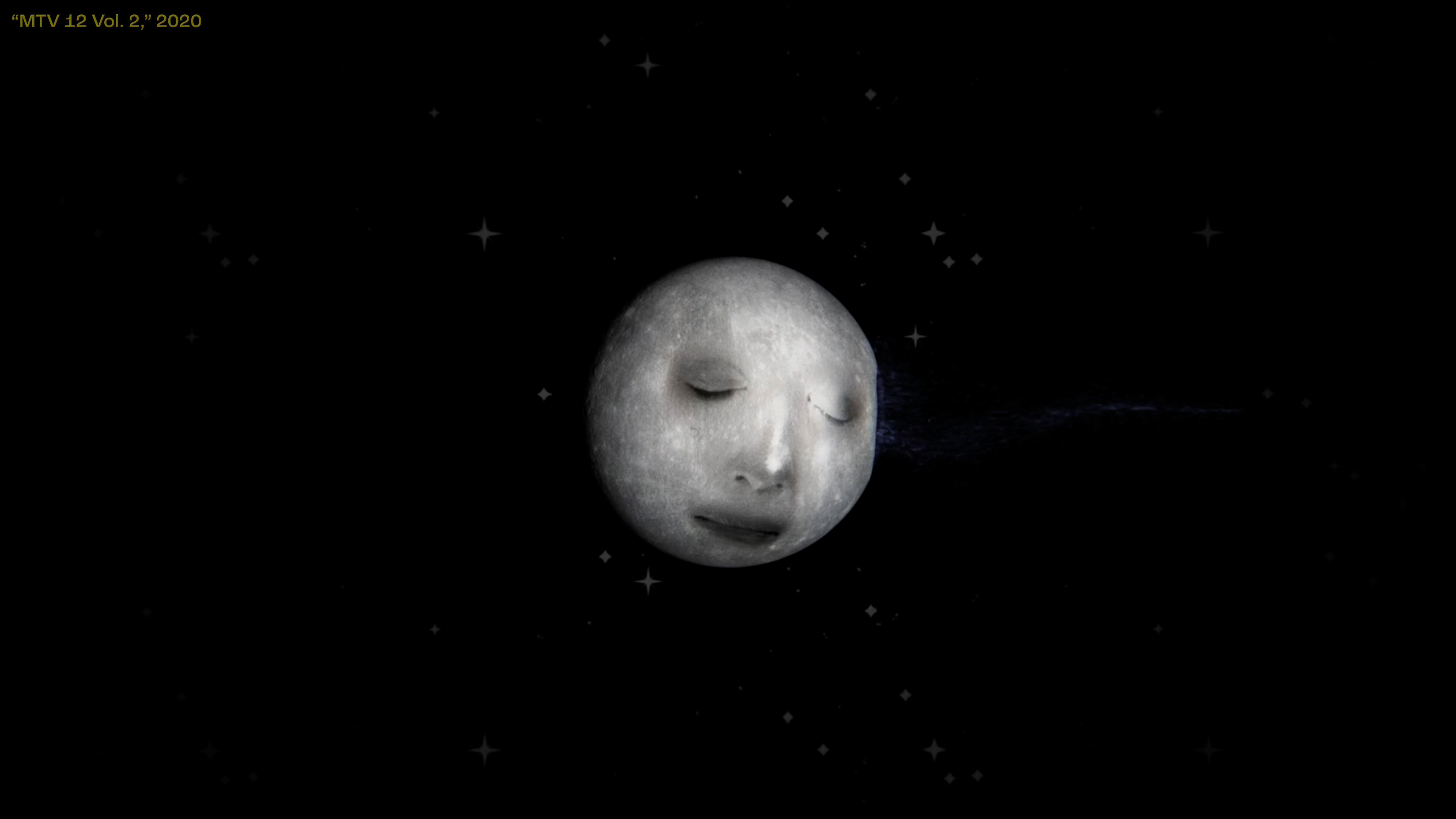
"MTV 12" (2019)
Commissioned by Kate Sweeney
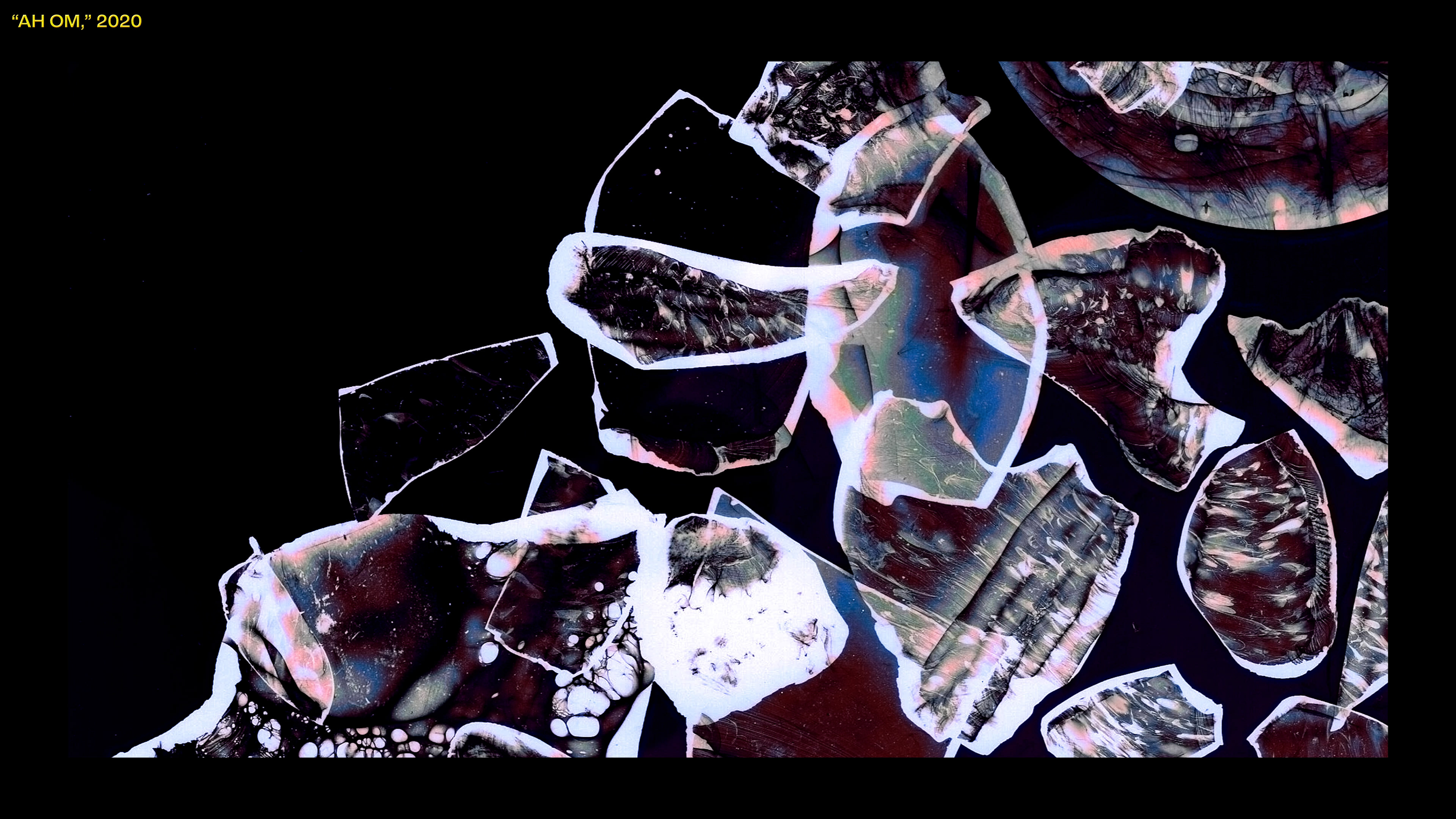
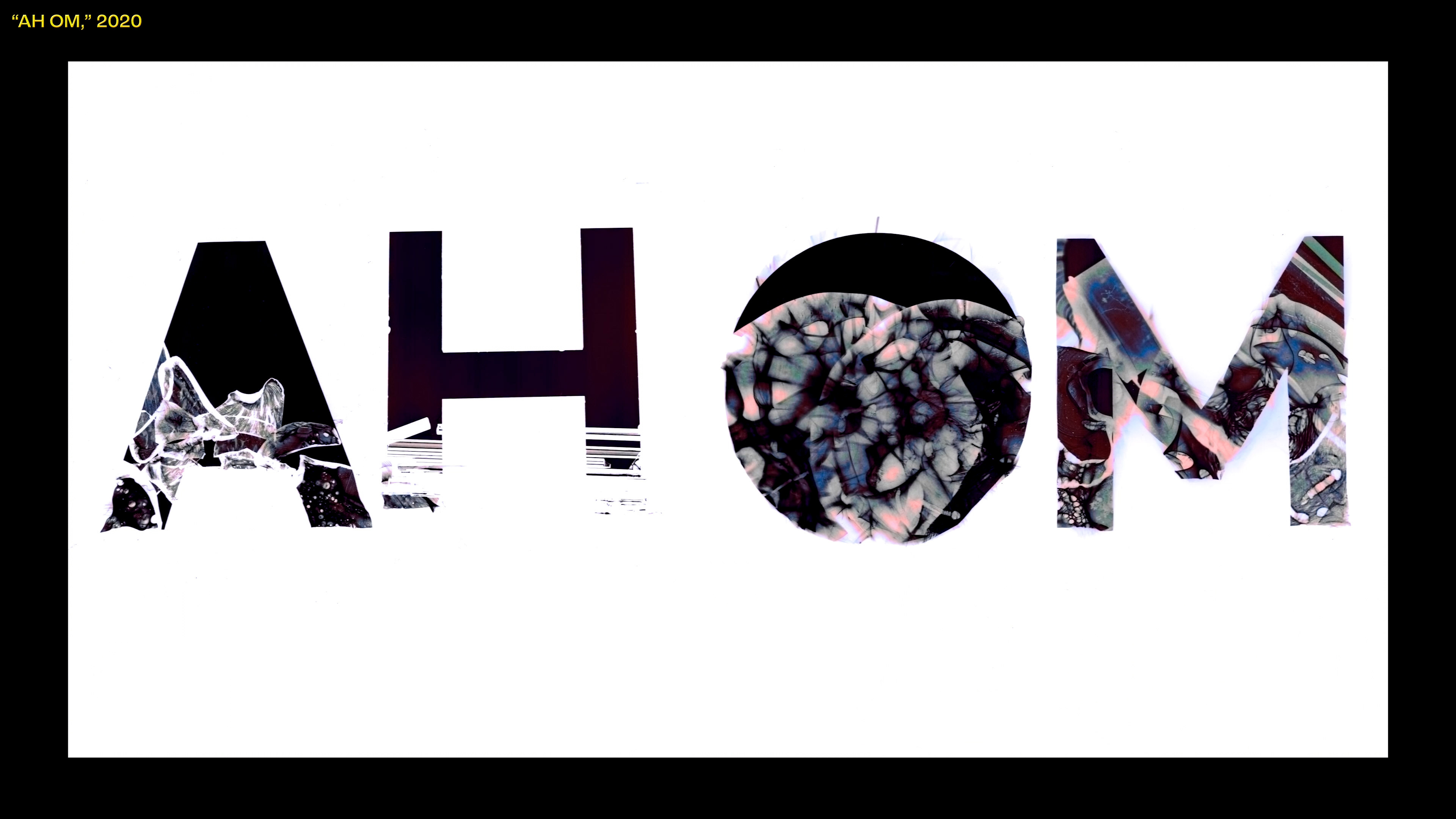
"AHOM" (2020)
Photograms by Sarah Weitzman
"Ivette's Beauty Palace Sweater" (2021)
Jacquard loom knit by Wildemasche
"Heart Orb Bone Sweater" (2020)
Jacquard loom knit by Wildemasche
"CAPTCHA" Jewelry (2020)
3D printed by Shapeways
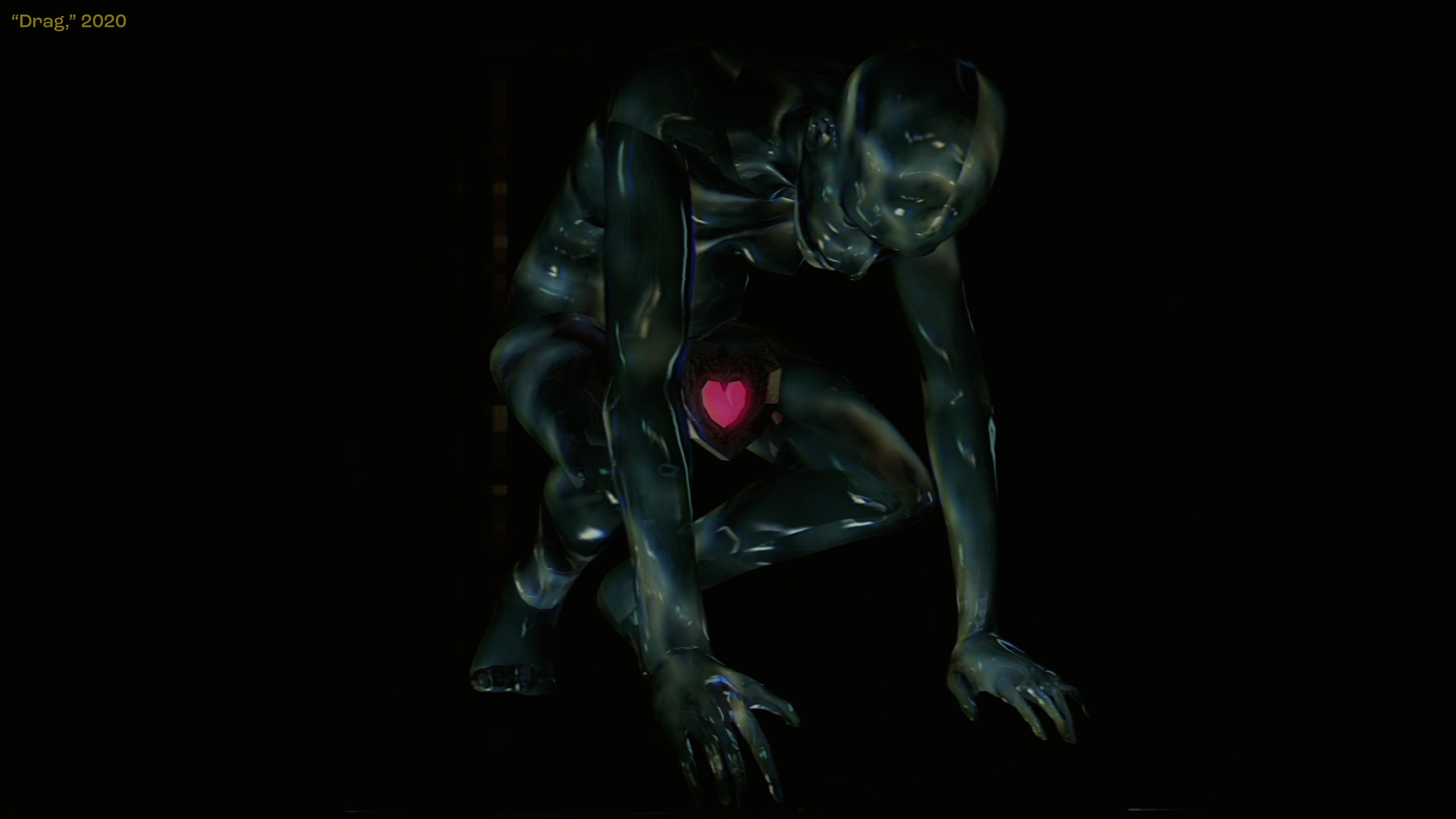
"Drag" (2020)
Song by Marissa Paternoster (AKA Noun)
Assets from Mixamo and The Legend of Zelda: Ocarina of Time
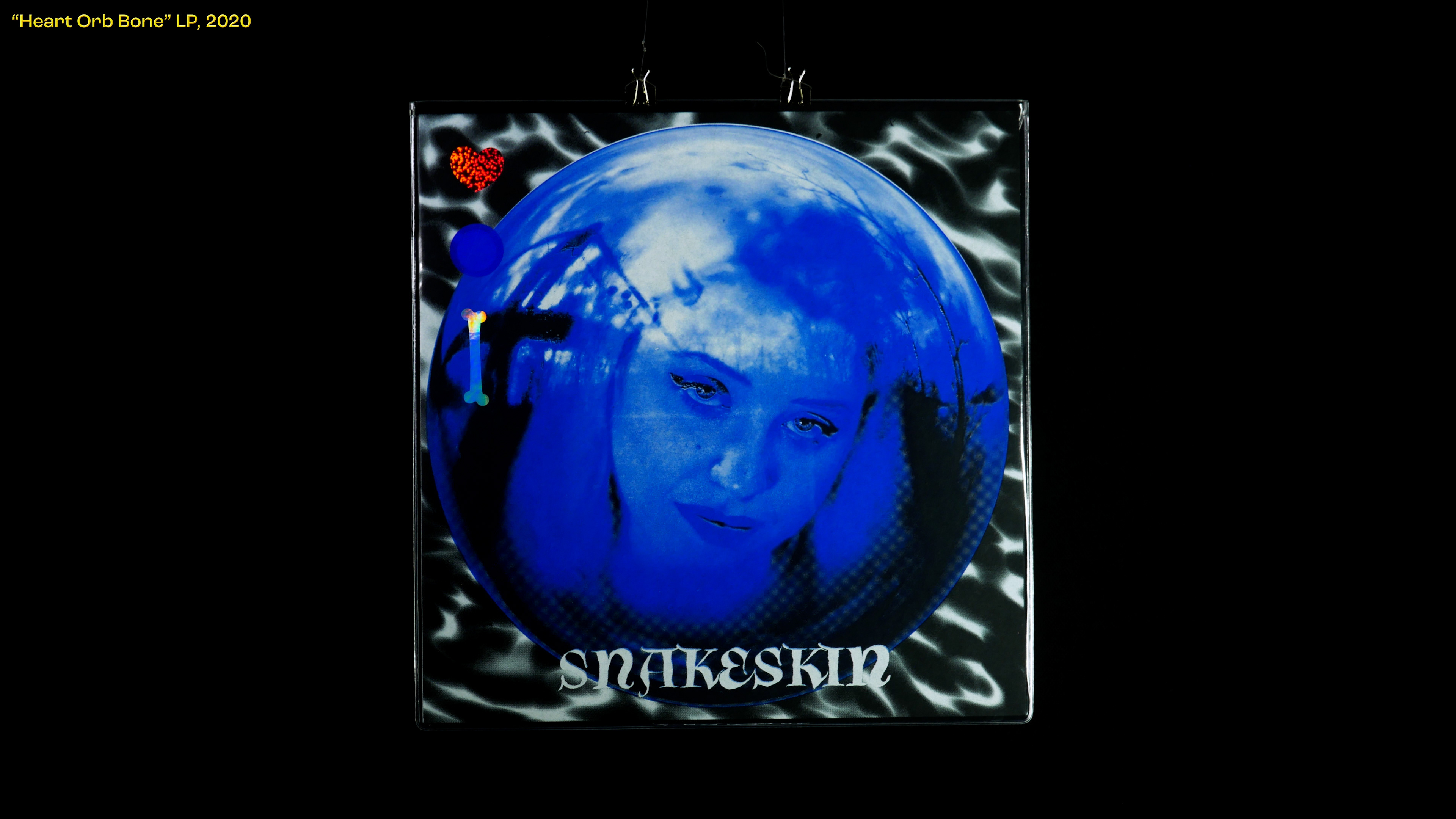
"Heart Orb Bone" LP (2021)
Printed by State Champion Records
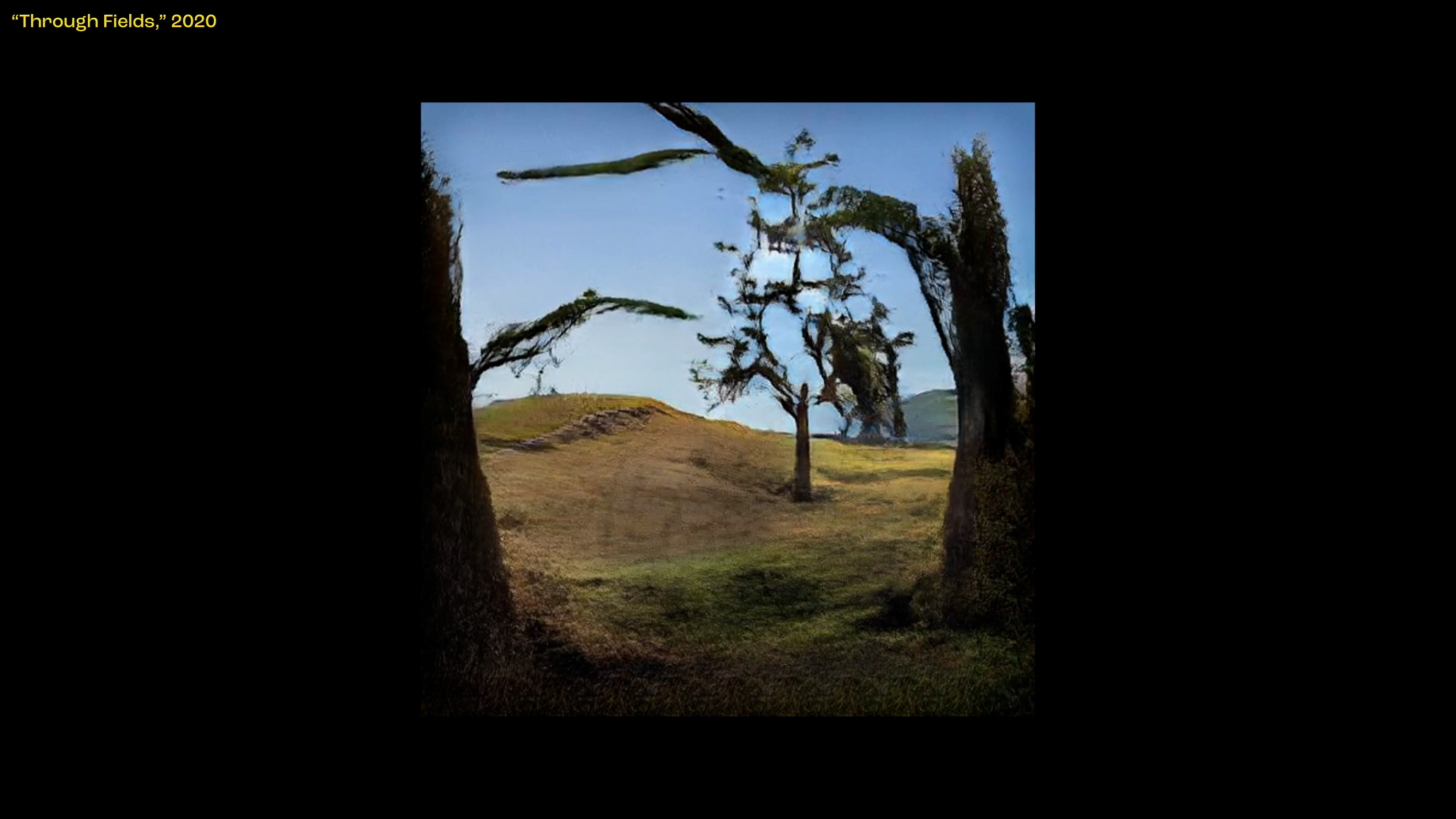
"Through Fields" (2020)
Created using GauGAN by NVIDIA
"Dream of Dreaming Boy" (2021)
Contains 3D scan of Saint Tarcisius by Alexandre Falguière
"Happening" (2020)
Motion capture performance by Snake
Eye texture assets by Wikihuman Project
"Summoning Suit" (2022)
Song by Snakeskin
Starring Snake
"I Lost You" (2021)
Song by Marissa Paternoster
"Spinning Heart Roller Coaster" (2021)
Programmed in No Limits 2 Roller Coaster Simulator
Illustrations by Quinn Konemann
Starring Snake
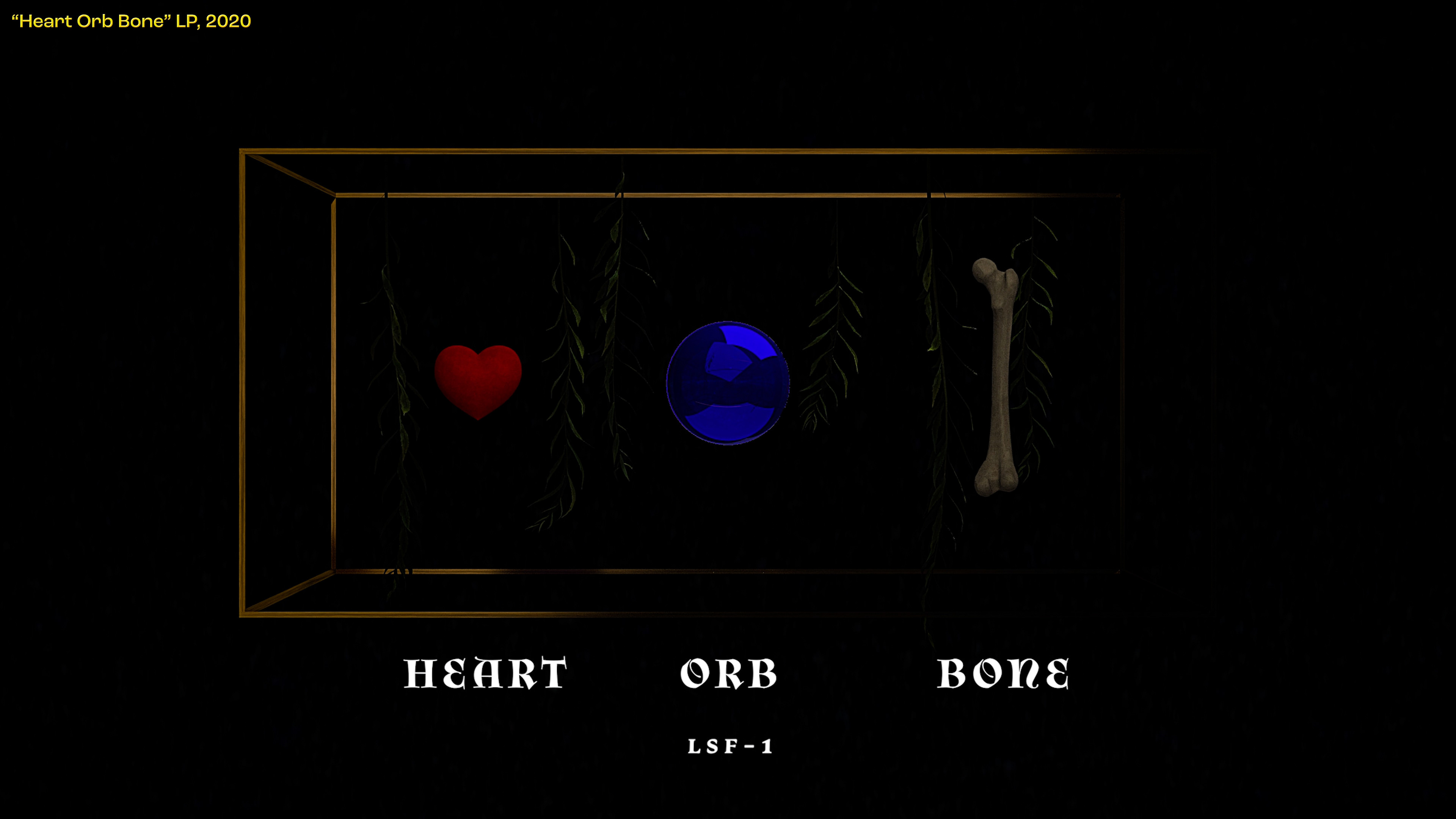
"Heart Orb Bone" (2020)
Song by Snakeskin
Starring Snake
Based on Baby Mozart
"TV" (2020)
Song by Snakeskin
Starring Snake
Original concept from Star Trek: The Motion Picture
"Timescape" (2015-2021)
Sound design by Shanna Polley
Reel music is "Fascinate" from the soundtrack to 下級生 (Kakyuusei)